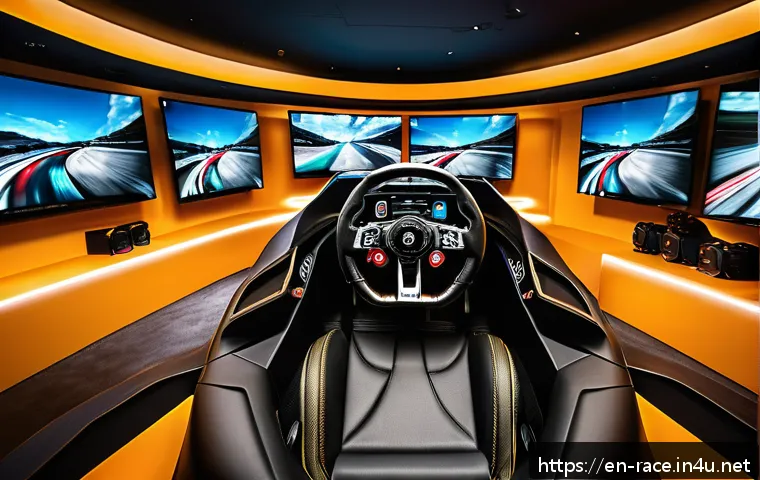
Lately, immersive experiences have taken entertainment to a whole new level, and racing simulators are leading the charge. If you’ve ever dreamed of feeling the rush of a high-speed race without leaving the city, now’s your chance to dive into a world where technology and adrenaline collide.
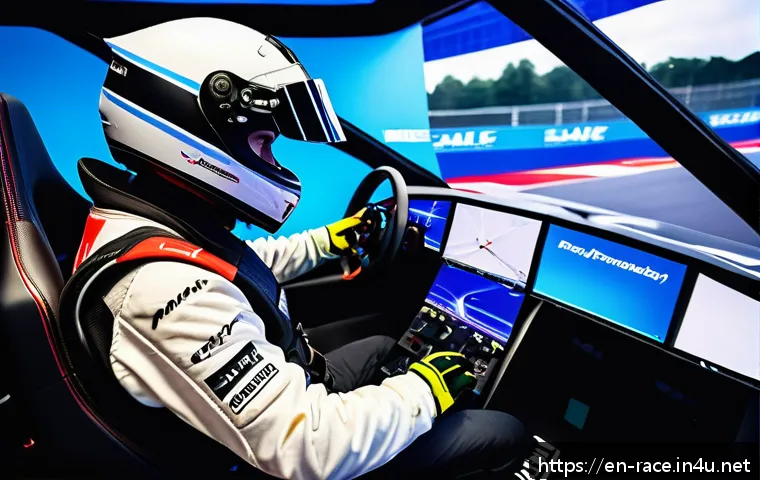
Whether you’re a seasoned racer or just curious, the ultimate simulator venue offers an electrifying escape that’s redefining how we experience motorsports.
Stick around to discover how this cutting-edge setup transforms virtual driving into an unforgettable thrill ride. Trust me, once you try it, you’ll never look at racing the same way again.
The Heartbeat of Realism: Advanced Hardware and Sensory Feedback
Precision Steering Wheels and Pedal Sets
When you first grip the steering wheel of a high-end racing simulator, the difference is immediately palpable. Unlike your everyday game controller, these wheels feature force feedback mechanisms that replicate the subtle vibrations and resistance you’d feel on an actual track.
This isn’t just spinning a plastic wheel; it’s a tactile conversation between you and the virtual car. The pedals, too, are far from simple buttons. High-quality load cell pedals measure the exact pressure you apply, allowing for nuanced control over braking and acceleration.
I remember how surprised I was when a slight miscalculation on the brake pedal sent me spinning out in the simulation — it felt just like real life.
Immersive Visuals and Surround Sound
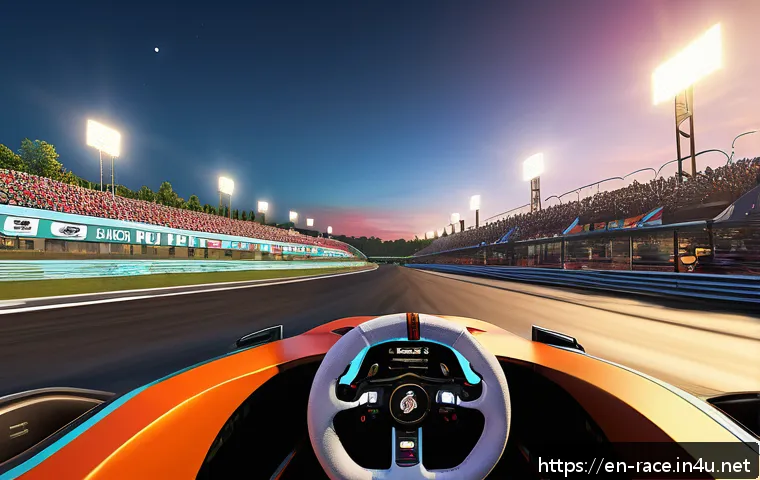
Visual immersion is critical to the thrill, and top-tier simulators deliver with ultra-wide curved screens or even full VR setups that completely engulf your field of view.
This panoramic perspective means you’re not just looking at a flat image; you’re peering into a living, breathing racing environment. Paired with 3D spatial audio systems, every engine roar, tire squeal, and gear shift echoes around you with jaw-dropping realism.
Personally, the first time I experienced the roar of an engine reverberating through a multi-speaker setup, my heart was pounding as if I were really behind the wheel at a racetrack.
Force Feedback and Motion Platforms
Adding another layer of realism are motion platforms that tilt, shake, and vibrate in sync with your driving. These systems simulate the G-forces you’d experience during tight corners and rapid acceleration, making you physically feel the race.
I found that this feature drastically improved my driving focus — when the rig shifted sharply, I instinctively adjusted my posture and grip just like I would in a real car.
This physical feedback bridges the gap between virtual and physical, turning a gaming session into a full-body experience.
Mastering the Track: Software and Realistic Physics Engines
Accurate Car Dynamics and Tire Modeling
The foundation of any great racing simulator is its physics engine. The best setups simulate everything from tire grip and suspension behavior to aerodynamics and weight transfer.
This means every car behaves uniquely, reflecting its real-world counterpart’s quirks and handling characteristics. For example, I spent hours tweaking my driving style when switching from a nimble Formula car to a heavy GT racer, and the physics engine made that transition feel genuine — no two rides were the same, and each demanded a different approach.
Detailed Track Replication
The tracks themselves are painstakingly recreated with laser scanning technology, capturing every bump, camber, and curb. This level of detail means you can practice real-world racing lines, braking points, and overtaking maneuvers with confidence that what you experience virtually will translate on an actual circuit.
I’ve found that running laps on these digital versions of famous circuits like Spa or Laguna Seca not only sharpened my reflexes but also deepened my understanding of each track’s personality.
Dynamic Weather and Time of Day
To push realism even further, many simulators incorporate dynamic weather systems and time-of-day cycles. Racing under a blazing midday sun feels completely different from battling through a wet, rain-soaked track or dusk shadows.
These changing conditions require adaptive driving techniques and add an unpredictable element that keeps every session fresh and challenging. I recall a wet race where I underestimated how slick the track was, leading to a spectacular spin — a humbling reminder of how crucial these details are.
Competitive Thrills and Community Engagement
Online Multiplayer and Esports Integration
One of the most exciting aspects of racing simulators is the opportunity to go head-to-head with racers worldwide. Online multiplayer modes offer ranked competitions, casual races, and even team championships.
The sense of community here is electric; you can exchange tips, celebrate wins, and learn from losses together. Joining a local sim racing league was a game-changer for me — the camaraderie and competitive spirit pushed me to improve faster than I ever imagined.
Practice and Skill Development Tools
Many venues provide coaching sessions, telemetry analysis, and instant replay features that allow you to dissect every lap. These tools are invaluable for understanding where you gain or lose time and refining your technique.
After reviewing my telemetry data, I realized I was braking too late on corners, costing me precious seconds. Adjusting this not only improved my lap times but also boosted my confidence behind the virtual wheel.
Social Events and Spectator Experiences
Beyond racing, these simulators often host social events, watch parties for real motorsport races, and even live-streamed tournaments. Spectators can enjoy the action from multiple camera angles, enhancing the excitement and making it feel like a real race weekend.
Attending one of these events, I was struck by how well the virtual and real racing worlds blend, creating a vibrant, inclusive motorsport culture.
Accessibility and Inclusivity in Sim Racing
User-Friendly Setup and Customization
One of the best surprises about modern racing simulators is how accessible they’ve become. Whether you’re a total newbie or a seasoned pro, the hardware and software offer customizable difficulty settings, assist options, and ergonomic adjustments.
This means you can start slow and gradually ramp up the challenge as your skills improve. I’ve seen friends who had zero racing experience get hooked within minutes because the system adapts to their pace without overwhelming them.
Adaptive Equipment for Different Needs
Inclusivity extends to hardware too, with setups designed for people with varying physical abilities. Hand controls, adjustable seating, and voice commands make it possible for almost anyone to experience the thrill of racing.
I remember chatting with a sim racer who lost leg mobility but competes fiercely using a specialized hand-operated throttle and brake system — a powerful reminder that passion for racing transcends physical limitations.
Family and Group-Friendly Features
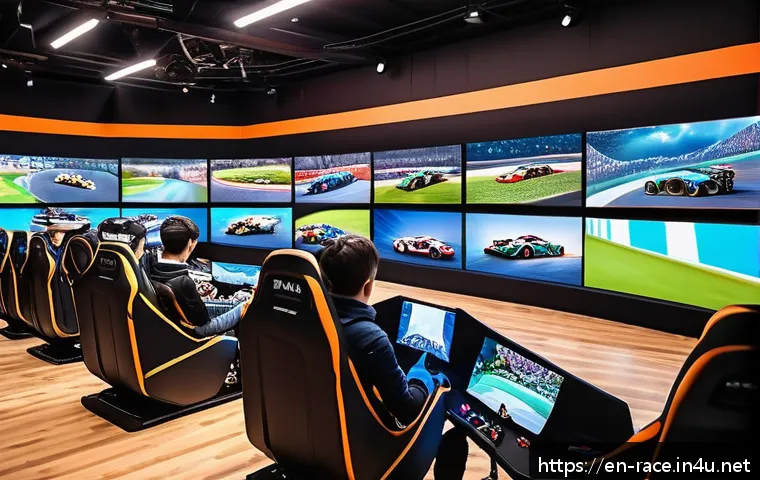
Sim racing venues often cater to groups and families, offering multi-seat rigs and spectator-friendly lounges. This makes it an excellent outing for friends or a unique birthday celebration.
Watching my niece’s eyes light up as she took her first lap on a junior-friendly setup was priceless. It’s a shared experience that brings generations together around a common love of speed and competition.
Investment and Value: What to Expect Cost-Wise
Session Pricing and Membership Options
Pricing structures vary depending on location and equipment quality, but many venues offer hourly rates, package deals, and monthly memberships. For casual racers, a single session might range from $30 to $60, while memberships provide unlimited access at a fixed monthly cost.
I found that buying a membership was worth it once I started going regularly — the savings and extra perks quickly added up.
Additional Costs and Upgrades
Some venues offer premium experiences with higher-end rigs, VR integration, or coaching sessions for an extra fee. If you’re serious about improving, investing in these add-ons can accelerate your progress.
I opted for a few coaching sessions, and the personalized feedback was invaluable — the improvements I made in just a couple of hours felt like weeks of solo practice.
Comparing Home Setup vs. Venue Visits
While building a home rig can be a dream for enthusiasts, the upfront cost and space requirements are significant. Visiting a dedicated venue offers access to top-tier equipment without the heavy investment.
Here’s a quick cost and benefit comparison:
| Factor | Home Setup | Venue Visit |
|---|---|---|
| Initial Cost | $1,000 – $5,000+ | Pay per session or membership |
| Equipment Quality | Varies, often limited by budget | High-end, regularly maintained |
| Space Requirements | Dedicated room needed | No personal space needed |
| Social Interaction | Limited to online | In-person community and events |
| Convenience | Available anytime at home | Requires travel and scheduling |
Building Confidence and Skills Beyond the Simulator
Translating Virtual Skills to Real Driving
Many users, including myself, have noticed that the precise control and track knowledge gained from simulators actually improve real-world driving. Sim racing teaches smooth steering inputs, braking discipline, and racecraft strategies that are directly applicable on the road or track days.
It’s not just fun — it’s a practical training tool for anyone passionate about driving.
Developing Mental Focus and Reaction Time
Racing simulators demand intense concentration and quick reflexes, which sharpen mental acuity. I found that after regular sessions, my ability to anticipate and react to sudden changes improved noticeably, whether in daily driving or other fast-paced activities.
The mental workout is as real as the physical one, reinforcing good habits and situational awareness.
Encouraging a Growth Mindset
Sim racing fosters patience and resilience, as improvement comes through practice and learning from mistakes. I’ve seen newcomers go from crashing every corner to setting competitive lap times within weeks.
This growth mindset is empowering and addictive — it’s about enjoying the journey as much as the finish line.
Future Innovations to Watch For
Integration of Artificial Intelligence
AI is starting to play a bigger role, from adaptive opponents that learn your style to personalized coaching that analyzes your driving in real-time. This means the simulator experience will become even more tailored and challenging, pushing your limits in smarter ways.
I’m excited to see how these developments will make every race feel fresh and uniquely challenging.
Enhanced Virtual Reality and Haptics
The next wave of VR headsets promises higher resolution and more comfortable wear, combined with advanced haptic suits that simulate impact and temperature changes.
These advancements will deepen immersion, making you forget you’re in a simulation at all. Trying on one of the latest VR rigs, I was amazed at how completely it transported me — it’s like stepping into another world.
Cross-Platform Connectivity and Social Features
Future simulators will blur the lines between local and global play even more, with seamless cross-platform competition and integrated social hubs. Imagine racing friends on different continents with real-time voice chat and shared virtual garages.
This connectedness will amplify the sense of community and competition, making sim racing a truly global sport.
In Conclusion
Sim racing has evolved into a deeply immersive experience that blends cutting-edge technology with real-world driving skills. From advanced hardware to dynamic software, every element works together to create a thrilling and authentic race environment. Whether you’re a casual enthusiast or a serious competitor, the world of sim racing offers endless opportunities for growth and excitement. Embracing this virtual motorsport can truly transform how you connect with racing, both on and off the track.
Helpful Information to Keep in Mind
1. Investing in quality hardware, like precision steering wheels and load cell pedals, greatly enhances the realism and control you experience behind the virtual wheel.
2. Software with accurate physics and detailed track modeling ensures that every lap feels unique and true to life, sharpening your driving skills effectively.
3. Participating in online multiplayer and esports events not only boosts your competitive edge but also connects you to a passionate community of racers worldwide.
4. Accessibility features and adaptive equipment make sim racing inclusive, allowing people of all abilities to enjoy the sport comfortably and confidently.
5. Choosing between a home setup and visiting a dedicated sim racing venue depends on your budget, space, and social preferences—each has distinct advantages to consider.
Key Takeaways
Sim racing combines realistic hardware and sophisticated software to deliver an unparalleled driving experience that goes beyond entertainment. The integration of sensory feedback, motion platforms, and dynamic weather systems elevates immersion, while community engagement and skill development tools foster continuous improvement. Accessibility and inclusivity ensure that sim racing welcomes diverse participants, making it both a competitive sport and a shared passion. Finally, weighing the costs and benefits of home versus venue setups helps you find the best way to enjoy this exciting world.
Frequently Asked Questions (FAQ) 📖
Q: What makes racing simulators different from regular video games?
A: Racing simulators are designed to replicate the real-world driving experience as closely as possible. Unlike typical racing games, simulators use advanced physics engines, high-quality force feedback steering wheels, and motion platforms to mimic the sensations of speed, road texture, and vehicle behavior.
When I tried one for the first time, the intensity of the vibrations and the realistic response to every turn made me feel like I was genuinely behind the wheel of a race car, not just pressing buttons.
This level of immersion is what sets simulators apart and keeps adrenaline junkies hooked.
Q: Do I need any prior racing experience to enjoy a racing simulator venue?
A: Absolutely not! One of the best things about these venues is that they cater to everyone—from complete beginners to seasoned drivers. The simulators often come with adjustable difficulty settings and helpful tutorials, so you can start slow and build confidence at your own pace.
When I took my non-racing friends along, they were amazed at how quickly they picked up the controls and started feeling the thrill. It’s a fun, safe way to experience motorsports without any pressure or risk.
Q: How much time should I allocate for a session to get the full experience?
A: Most venues recommend booking at least an hour for your session to fully immerse yourself in the experience. During this time, you can get comfortable with the controls, try different tracks, and really push your limits.
From personal experience, the first 15 minutes are all about getting used to the setup, but once you find your rhythm, the excitement ramps up fast and time flies.
Longer sessions also give you a chance to compare cars or try multiplayer races, which adds a whole new level of fun.