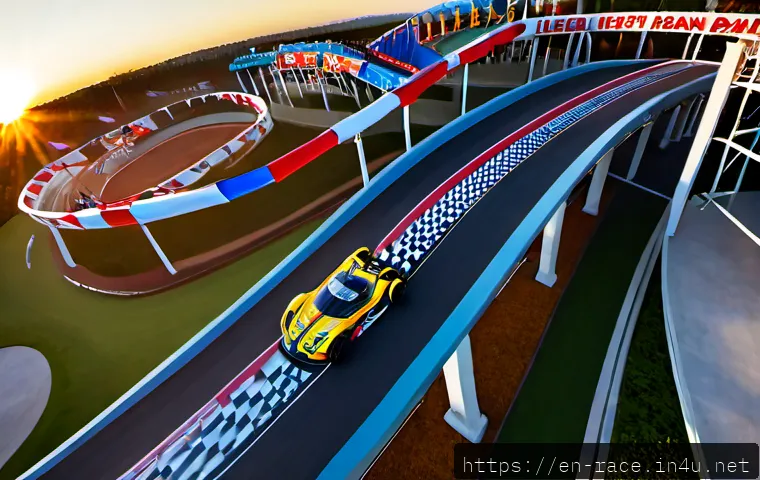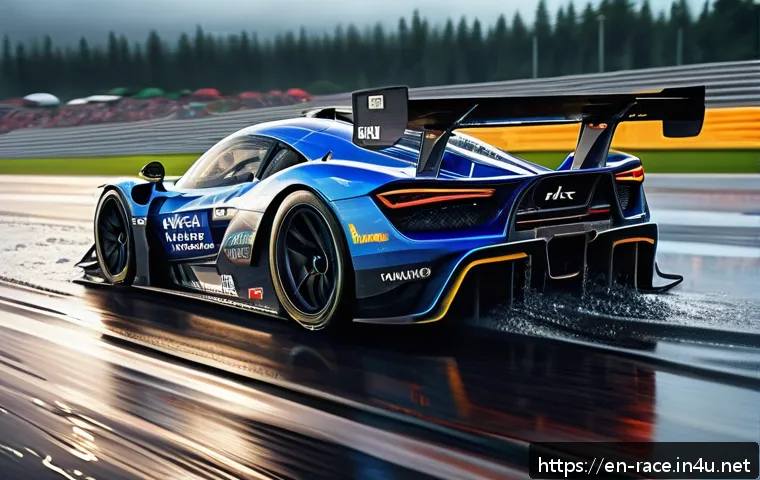
Have you noticed how racing games today feel more like real-life driving experiences than ever before? With cutting-edge graphics and physics engines pushing the boundaries, realism is transforming the way players engage with virtual tracks.
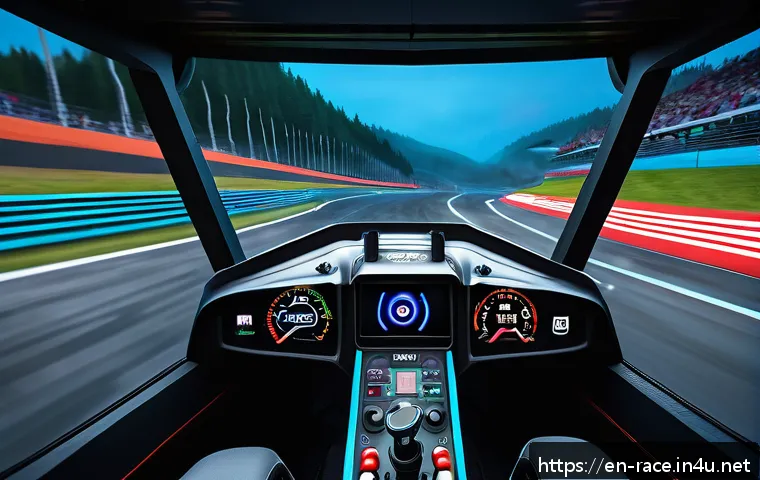
This shift isn’t just about visuals—it’s about creating a deeper sense of immersion that keeps gamers hooked for hours. As technology continues to evolve rapidly, the line between gaming and reality blurs, promising a thrilling future for racing enthusiasts everywhere.
Let’s dive into how this revolution is reshaping gameplay and player connection like never before.
Mastering the Nuances of Vehicle Dynamics
The Subtle Art of Tire Grip and Traction
Getting behind the wheel in a modern racing game feels astonishingly close to real life, and a huge part of that comes down to how tires interact with the road.
Unlike older titles where tires seemed almost glued to the surface, today’s games simulate tire grip that changes dynamically based on speed, surface type, and weather conditions.
For example, driving on wet asphalt requires you to ease off the accelerator and anticipate longer braking distances—just like in reality. This attention to detail forces players to adapt their driving style constantly, making every lap feel fresh and challenging.
Suspension and Weight Transfer: Feeling Every Bump
One of the things that blew me away recently was how well suspension is modeled. When you take a sharp turn or accelerate hard, the car visibly leans and shifts weight, affecting how it handles the corner.
This isn’t just cosmetic; it influences the physics so that the vehicle’s balance changes in real time. You can almost feel the suspension compressing under your virtual tires, which adds a layer of immersion you might not expect from a controller.
It’s a game-changer for anyone who’s ever driven a car and knows how much weight transfer can impact grip and control.
Engine Behavior and Power Delivery
Modern racing games have stepped up their engine simulation, making throttle control a critical skill. Unlike older arcade racers where flooring the gas pedal was often the fastest route, today’s titles demand finesse.
Engine torque curves and turbo lag are faithfully recreated, so accelerating out of corners requires careful modulation to avoid wheel spin. I remember my first few tries in a simulator racing a turbocharged car — you really feel the power surge and then the slight delay before the boost kicks in.
It’s these subtle details that make the driving experience so authentic.
Immersive Environments That React to Your Driving
Dynamic Weather and Its Impact on Racing Lines
Weather systems in racing games have evolved from simple visual effects to fully integrated gameplay elements. Rain, fog, and even changing daylight can drastically alter how you approach a track.
I recall playing a race where a sudden downpour forced me to completely rethink my braking points and cornering speed. The wet track wasn’t just slippery; puddles formed in certain spots, creating hydroplaning risks that demanded quick reflexes.
This constant environmental variation keeps players on their toes, preventing monotony and encouraging adaptive strategies.
Track Surface Degradation and Rubber Build-up
Another layer of realism is track surface evolution during a race weekend. In many newer racing titles, you’ll notice that the racing line becomes more rubbered-in, offering better grip, while off-line areas stay dusty and slippery.
This means overtaking isn’t just about speed but also smart tire placement. I’ve found myself getting cautious when moving off the groove because the risk of losing traction is very real.
This feature adds a tactical element that mirrors real-world racing strategies perfectly.
Interactive Pit Stops and Strategy Elements
Pit stops have transformed from simple pause screens to interactive, high-pressure moments that can make or break a race. Managing tire wear, fuel load, and repairs requires strategic thinking and timing.
In some games, you even control the pit crew to shave seconds off the stop, which adds a layer of tension and excitement. I’ve had races where a well-executed pit stop vaulted me from mid-pack to podium, highlighting how critical this aspect has become in modern racing simulations.
The Role of Advanced AI Opponents
Adaptive AI That Learns and Reacts
Gone are the days when AI racers just followed predetermined lines and made predictable mistakes. Today’s AI opponents analyze your driving style and adjust their behavior accordingly.
For instance, if you’re aggressive in overtaking, they’ll defend harder or even attempt risky maneuvers to block you. Conversely, if you’re cautious, they may exploit gaps more boldly.
This dynamic interaction creates a more engaging and unpredictable racing experience that keeps you mentally sharp throughout the race.
Personality and Driving Styles in AI
AI racers now come with distinct personalities and preferred driving techniques, much like real drivers. Some might be risk-takers who brake late and dive into corners aggressively, while others are consistent and defensive.
This variety makes each race feel like a contest against real competitors rather than faceless bots. I remember a race where a particularly aggressive AI rival kept challenging me relentlessly, pushing me to elevate my own skills.
It’s this human-like unpredictability that adds a ton of depth to the gameplay.
Balancing Difficulty Without Frustration
One impressive improvement is how games now offer difficulty scaling that feels fair and rewarding. Instead of punishing players with rubber-banding AI or impossible opponents, the AI adjusts in subtle ways to match your skill level.
This balance keeps races competitive but never frustrating, encouraging players to improve rather than quit in frustration. From my experience, this approach makes the game accessible to newcomers while still challenging veteran racers.
Immersive Audio Design That Amplifies Realism
Engine Roar and Mechanical Feedback
The sound design in racing games has reached new heights with highly detailed engine noises that shift dynamically based on RPM, gear changes, and load.
When you push the throttle hard, the engine’s roar crescendos, giving you immediate auditory feedback that complements the visual cues. This kind of audio immersion enhances the connection between player and machine, making every shift and acceleration feel satisfying.
I often find myself subconsciously reacting to engine sounds as if I were truly driving.
Environmental Ambience and Crowd Reactions
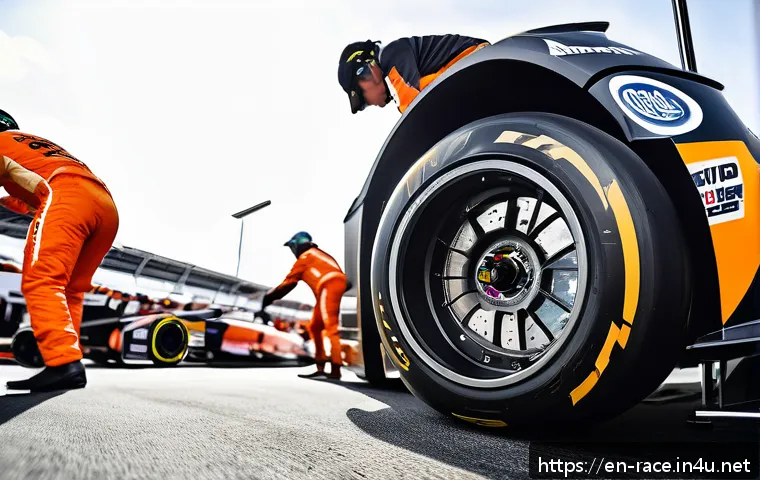
Beyond the car itself, the sounds of the environment—cheering crowds, distant engines, and trackside announcements—build a convincing atmosphere that draws players deeper into the experience.
The subtle layering of these audio elements changes based on camera angles and race situations, making the virtual world feel alive. During intense moments, like a last-lap battle, the crowd’s roar can really pump up your adrenaline, adding to the emotional engagement.
Realistic Tire and Surface Interaction Sounds
One of the more overlooked aspects is the sound of tires interacting with different surfaces. Skidding, gravel crunching, or water splashing are all meticulously recreated to provide auditory cues about traction and speed.
I remember the first time I noticed how differently tires sound when transitioning from tarmac to dirt in a rally game—it instantly told me to adjust my driving.
This level of detail helps players stay connected to their car’s behavior without constantly watching meters or gauges.
Customizing Your Ride for Performance and Style
Detailed Vehicle Tuning Options
Many modern racing games offer deep customization for car setups, letting you tweak suspension stiffness, gear ratios, aerodynamics, and more. This isn’t just about aesthetics; it profoundly affects how your car handles on various tracks.
I’ve spent hours experimenting with setups to find the perfect balance between speed and stability. The ability to tailor your vehicle to your driving style and the specific demands of a race adds a rewarding layer of personalization and strategy.
Visual Customization and Its Psychological Impact
While performance tuning is critical, visual customization also plays a big role in player engagement. From paint jobs to decals and rims, personalizing your car gives you a sense of ownership and pride.
I’ve noticed that when I invest time into making my car look unique, I feel more connected and motivated during races. It’s a subtle psychological boost that enhances overall immersion and enjoyment.
Real-World Licensed Cars and Their Appeal
The inclusion of officially licensed cars from manufacturers worldwide adds authenticity and excitement. Driving a digitally recreated version of your dream car is thrilling, especially when it handles just like the real thing.
The attention to detail in these models—from interior dashboards to engine sounds—makes the experience feel special. I’ve found that racing in familiar cars increases my emotional investment in the game, pushing me to improve my skills even more.
Harnessing Virtual Reality and New Control Technologies
VR Racing: Stepping Inside the Driver’s Seat
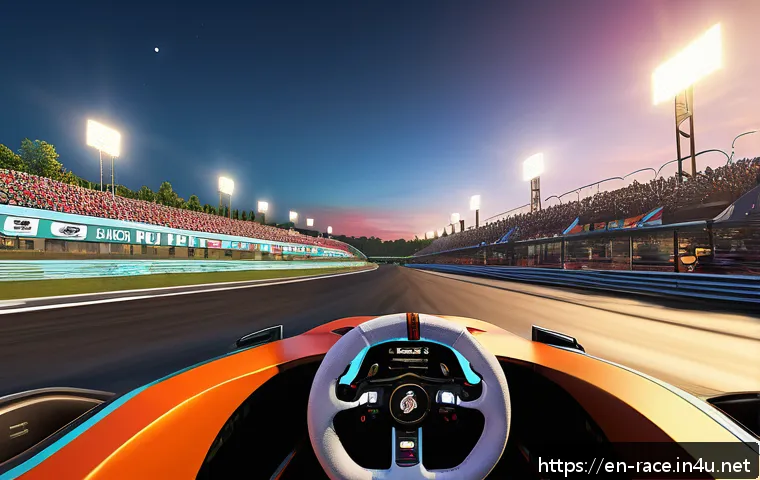
Virtual reality has brought a new dimension to racing games by placing you directly inside the cockpit. The sense of scale and depth perception you get with VR is unparalleled, making every turn and straightaway feel incredibly immersive.
I tried a VR racing setup recently, and the experience was so intense that I instinctively ducked during close calls. This technology is still evolving, but it’s already redefining how we connect with racing simulators.
Force Feedback Wheels and Pedals
Using a force feedback steering wheel and pedals elevates gameplay by providing tactile sensations that mimic real driving forces. You can feel the resistance when cornering at high speed or the subtle vibrations when tires lose traction.
In my personal setup, this gear transforms casual play into a full-body experience, making every race more engaging and skill-dependent. It’s a must-have for anyone serious about racing simulation.
Motion Platforms and Full Sim Rigs
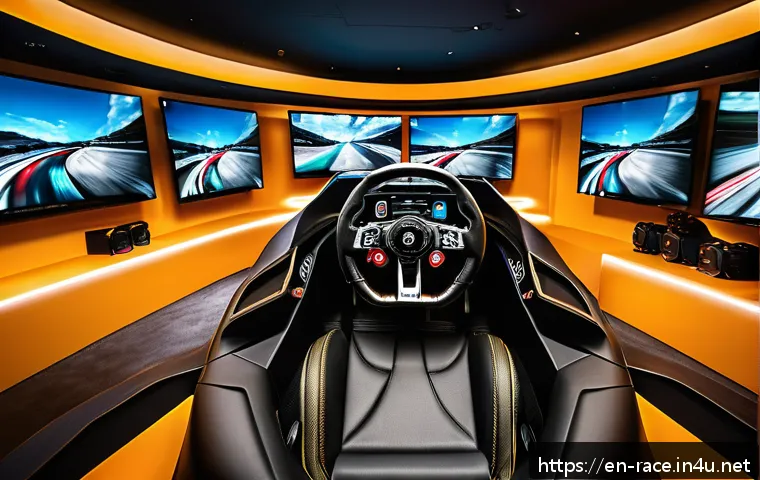
For the ultimate immersion, motion platforms and racing rigs simulate vehicle movement by tilting and vibrating in response to your inputs. While not accessible to everyone, these setups offer an unmatched sense of realism.
I’ve had the chance to try one at a gaming expo, and the way it mimicked acceleration and braking forces added an entirely new layer of excitement. This tech is pushing the boundaries of what virtual racing can feel like.
| Feature | Impact on Gameplay | Player Experience |
|---|---|---|
| Tire Grip Simulation | Dynamic traction changes based on conditions | Forces adaptive driving; increases challenge and realism |
| Dynamic Weather | Alters track conditions and visibility | Keeps races unpredictable; enhances immersion |
| Adaptive AI | Adjusts difficulty and driving style | Creates realistic competition; prevents monotony |
| Advanced Audio | Detailed engine and environment sounds | Strengthens connection to vehicle and atmosphere |
| Vehicle Tuning | Customizes handling and performance | Empowers personalization and strategic depth |
| VR and Force Feedback | Immersive control and sensory feedback | Transforms gameplay into a full-body experience |
In Conclusion
Mastering vehicle dynamics in racing games elevates the entire experience, blending realism with thrilling gameplay. The intricate details—from tire grip to adaptive AI—create a truly immersive environment that challenges and rewards players. Whether you’re a casual gamer or a dedicated sim racer, these nuances deepen your connection to the virtual track. Embracing these elements transforms every race into an engaging and memorable adventure.
Helpful Information to Know
1. Understanding tire grip and traction is key to adapting your driving style across different weather and track conditions.
2. Suspension and weight transfer affect handling significantly, making realistic car behavior essential for competitive play.
3. Dynamic weather and track surface changes demand continuous strategy adjustments to maintain optimal performance.
4. Advanced AI opponents provide challenging, personalized competition that evolves with your skill level.
5. Using immersive technologies like VR and force feedback gear can dramatically enhance your racing experience and skill development.
Key Takeaways
To fully enjoy modern racing games, pay close attention to the detailed simulation of vehicle physics and environmental factors. The integration of realistic tire behavior, adaptive AI, and immersive audio brings authenticity that goes beyond visuals. Strategic vehicle tuning and interactive gameplay elements, such as pit stops and weather impact, add layers of depth and excitement. Leveraging advanced control setups amplifies immersion, making every race feel like a true test of skill and precision.
Frequently Asked Questions (FAQ) 📖
Q: How do modern physics engines improve the realism in racing games?
A: Modern physics engines simulate real-world driving dynamics with impressive accuracy, including factors like tire grip, suspension behavior, and aerodynamic effects.
This means when you hit a corner or accelerate, the car responds in a way that closely mimics actual driving. From my experience, this level of detail makes the gameplay feel much more immersive and rewarding, especially for players who appreciate the nuances of racing techniques.
Q: What role do graphics play in enhancing the immersive experience of racing games?
A: Graphics are more than just eye candy—they create a believable environment that pulls players into the game world. High-resolution textures, realistic lighting, and dynamic weather effects contribute to making every race feel alive and unpredictable.
I’ve noticed that when the visuals match the physics realism, it’s easier to get lost in the experience, making long gaming sessions fly by without boredom.
Q: Will the line between virtual racing and real-life driving keep getting blurrier?
A: Absolutely. With advancements like VR support, haptic feedback, and AI-driven opponents that adapt to your skill, racing games are steadily closing the gap between simulation and reality.
From what I’ve seen, this trend is only accelerating, promising even more engaging and authentic experiences for racing fans. It’s exciting to think about how future games might let you feel every bump and turn just like you would on an actual track.