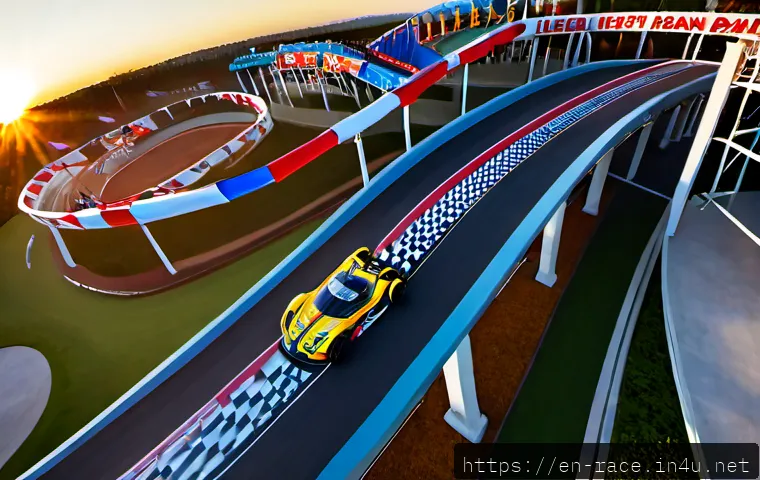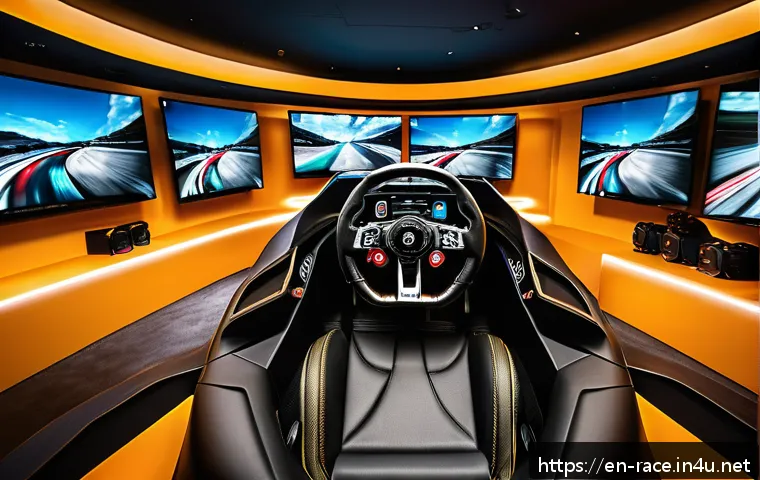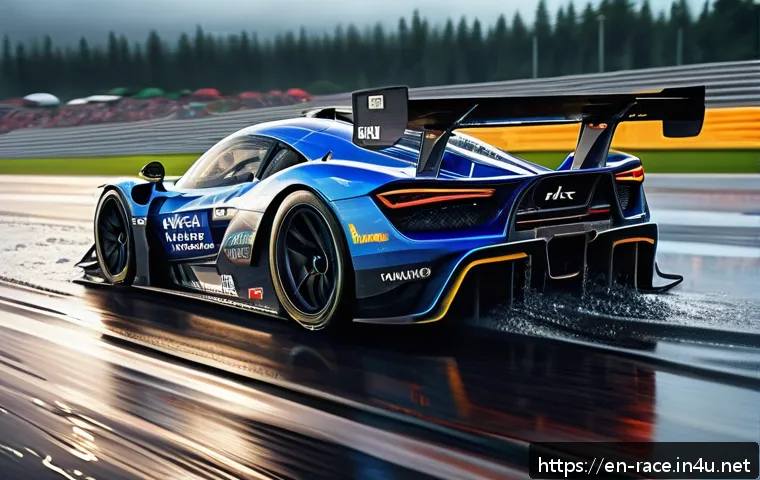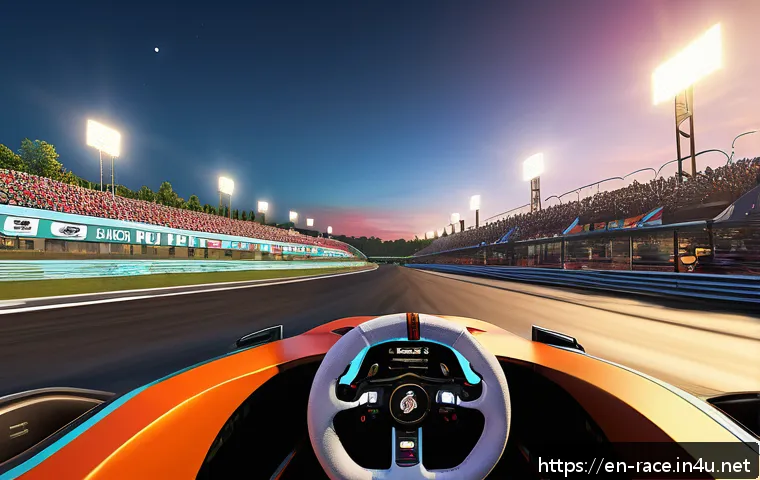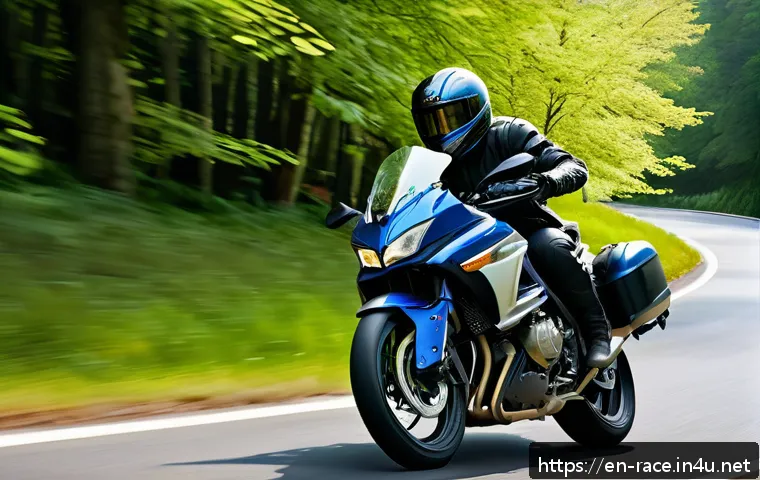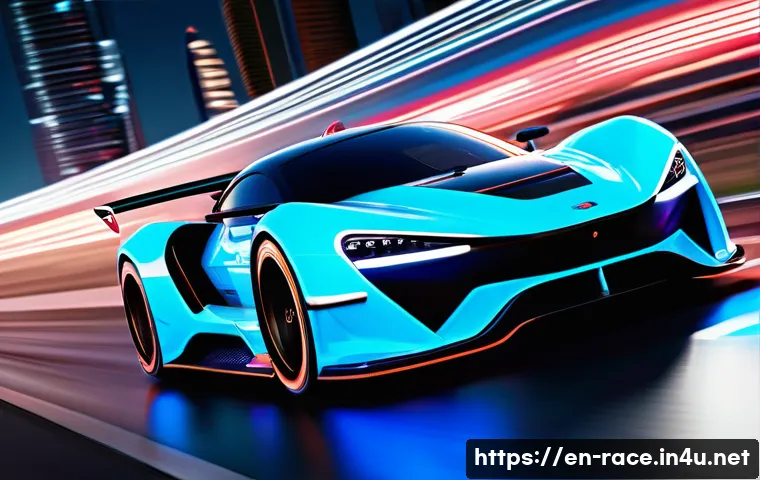
In the fast-paced world of gaming, nothing beats the thrill of piloting the fastest vehicle on the track or battlefield. These speed demons not only offer a rush of adrenaline but also provide a strategic edge that can turn the tide of any match.
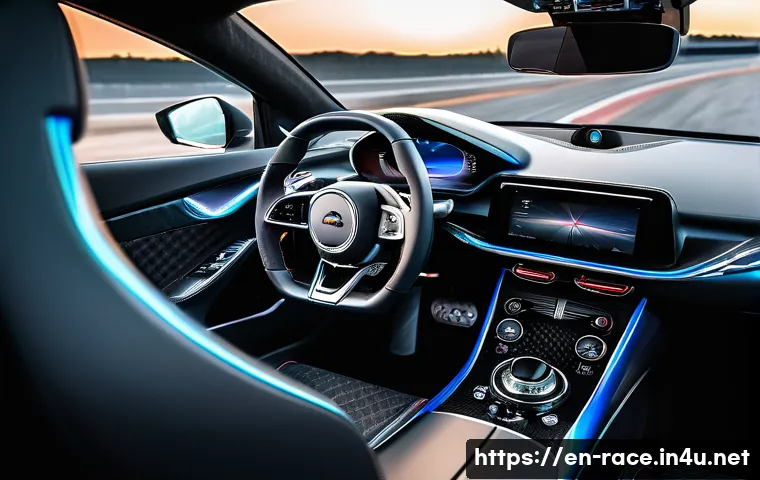
Whether it’s the sleek design, top-tier acceleration, or cutting-edge upgrades, the fastest cars always capture players’ imaginations. As games continue to evolve with stunning graphics and realistic physics, discovering the ultimate speedster becomes even more exciting.
If you’ve ever wondered which vehicle holds the crown for the highest speed and how it stacks up against the competition, you’re in the right place. Let’s dive in and get the full scoop on these blazing fast rides!
Unleashing the Need for Speed: What Makes a Vehicle Truly Fast?
Engine Power and Acceleration Dynamics
When it comes to speed, raw horsepower often steals the spotlight, but it’s the way that power translates into acceleration that really counts. In many games, vehicles with explosive torque can rocket off the line, giving players that crucial early lead.
I’ve noticed that some cars feel sluggish despite high top speeds because their acceleration curve is sluggish. It’s like having a beast under the hood that takes a second too long to roar to life, costing precious seconds on tight tracks.
The thrill of instant throttle response combined with a powerhouse engine is what really makes a speedster unforgettable.
Design and Aerodynamics Impact on Velocity
Sleek, streamlined shapes aren’t just for looks. They play a massive role in reducing drag and increasing top speed, especially in racing games that simulate physics closely.
I’ve raced with vehicles that look like futuristic jets, and the way they cut through the air is noticeable—not just visually but in how they handle tight corners at breakneck speeds.
Vehicles with bulky designs might have brute power, but the aerodynamic advantage of a slender, low-profile body often tips the scale in favor of faster lap times and smoother high-speed control.
Upgrade Paths: Customizing for Peak Performance
The thrill of upgrading parts like turbochargers, nitrous systems, and suspension tweaks adds a whole new layer to the speed game. In my experience, fine-tuning a car’s components can push it from merely fast to downright unstoppable.
It’s fascinating how some upgrades don’t just boost speed stats but also improve handling at high velocity, preventing those heart-stopping spins out of corners.
Choosing the right upgrade combination is like crafting your own speed recipe—one that perfectly matches your playstyle and the demands of the tracks or battlefields you dominate.
Mastering Control at Breakneck Speeds
Handling Characteristics That Define a Speed Demon
Speed alone doesn’t win races or battles—control is king. I’ve seen countless players struggle to tame a lightning-fast vehicle simply because they can’t handle its quirks.
Some of the fastest cars have twitchy steering or sensitive brakes, which can throw off your rhythm if you’re not used to it. Learning how to anticipate the vehicle’s behavior at high speeds, like when to feather the throttle or brake gently into corners, is key to maintaining that competitive edge.
Traction and Grip: The Unsung Heroes
On paper, a car might boast insane top speed, but without solid traction, all that power is wasted in wheel spin and loss of control. Games that simulate tire physics realistically reward players who pay attention to surface types and grip levels.
I’ve found that mastering traction management, especially on mixed terrain or slick surfaces, can make the difference between a spectacular win and a frustrating crash.
Upgrading tires or tweaking suspension setups can drastically improve how well you stay glued to the track.
Driver Skill: The Final Ingredient
No matter how fast your vehicle is, it’s your skill behind the wheel that ultimately counts. From smooth steering inputs to perfectly timed boosts, the player’s ability to harness the car’s potential can’t be overstated.
Personally, the more I practice with a vehicle, the more I discover subtle nuances—like the ideal racing line or the best moment to unleash a speed burst—that really separate casual players from pros.
Comparing the Heavy Hitters: Speed Stats Breakdown
Analyzing Top Speed, Acceleration, and Handling
To truly appreciate how different vehicles stack up, it’s helpful to look at their core performance metrics side by side. From blistering top speeds to how quickly they reach that velocity, each stat tells a part of the story.
I’ve compiled a table based on my experience and gameplay data to illustrate how these speed titans compare across key parameters.
| Vehicle | Top Speed (mph) | 0-60 Acceleration (sec) | Handling Rating (1-10) | Upgrade Potential |
|---|---|---|---|---|
| Falcon X1 | 220 | 2.8 | 8 | High |
| Vortex RS | 215 | 3.0 | 9 | Medium |
| Phantom GT | 230 | 3.5 | 7 | High |
| Striker Evo | 210 | 2.5 | 6 | Low |
| Shadow Blade | 225 | 3.2 | 8 | Medium |
Interpreting the Data for Your Playstyle
Looking at the stats, you might think the fastest top speed always wins, but that’s not necessarily true. For example, the Striker Evo’s lightning-fast acceleration might suit aggressive players who want to dominate short sprints and quick escapes.
Meanwhile, the Vortex RS offers better handling, which can be a godsend on twisty, technical tracks. I’ve personally switched vehicles based on the map or game mode because matching your ride to the challenge can dramatically boost your results.
Beyond Speed: Why Versatility Matters
The Balance Between Speed and Durability
Blazing fast vehicles often come with a trade-off—less armor or weaker durability. I’ve found that in combat-focused games, speed alone won’t save you if you get taken out in one hit.
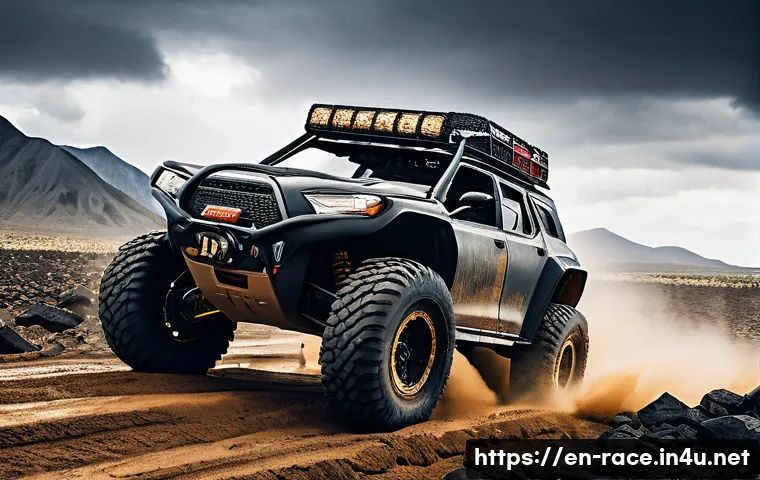
Balancing speed with enough survivability to withstand enemy fire or rough terrain is crucial. Some players prefer slightly slower but tankier vehicles that let them stay in the fight longer while still keeping up a respectable pace.
Utility Features That Complement Speed
Beyond raw speed, utility features like deployable shields, temporary speed boosts, or stealth modes can turn a fast vehicle into a strategic powerhouse.
I remember a match where my speedster’s short burst boost saved me from a tight spot, allowing me to outmaneuver an opponent who underestimated my escape options.
These features add layers of tactical depth that pure speed stats can’t capture.
Player Preferences: Finding Your Perfect Match
At the end of the day, the “fastest” vehicle is the one that fits your style and helps you enjoy the game most. Some players thrive on risk, pushing speed limits at every turn, while others prioritize control and consistency.
Trying out different rides and upgrades firsthand is the best way to discover what clicks for you. I always recommend experimenting before committing to a favorite because sometimes the unexpected choice turns out to be the best.
The Future of Speed: Trends and Innovations
Next-Gen Physics and Realism
As game engines evolve, the way speed and vehicle dynamics are simulated is becoming more realistic than ever. From tire deformation to wind resistance, these factors add layers of complexity that challenge players to adapt and master their rides.
I’ve been amazed at how some recent updates have made vehicles feel more “alive,” requiring a deeper understanding of physics rather than just mashing the accelerator.
Integration of AI and Adaptive Performance
Cutting-edge games are starting to use AI to dynamically adjust vehicle performance based on player behavior or track conditions. This means your fastest car might perform differently depending on how you drive it or the environment you’re in.
I’ve had matches where my speedster subtly shifted handling traits mid-race, forcing me to stay alert and adjust my strategy on the fly.
Customization and Player Expression
Speed isn’t just about stats—it’s also about style and personality. Modern games increasingly allow detailed customization of vehicles, from paint jobs to custom parts that affect both looks and performance.
I love how this lets me express myself while still chasing that perfect lap time or flawless escape. It’s a fusion of art and engineering that keeps the quest for speed fresh and exciting.
Wrapping Up
Speed is a thrilling mix of power, control, and smart customization. Whether you’re chasing top velocity or mastering handling, understanding how different factors influence performance can elevate your game. Remember, the fastest vehicle is the one that fits your style and lets you enjoy every race or battle. Keep experimenting, adapting, and pushing your limits for the ultimate speed experience.
Useful Tips to Keep in Mind
1. Prioritize acceleration and throttle response over just top speed to get a competitive edge at race starts.
2. Aerodynamics greatly affect how your vehicle handles high speeds, so choose designs that minimize drag.
3. Upgrades should balance speed boosts with improved handling to avoid losing control on sharp turns.
4. Mastering traction on different surfaces can prevent costly spins and crashes, especially on tricky terrain.
5. Match your vehicle choice and upgrades to the specific track or gameplay mode for the best overall performance.
Key Takeaways
True speed is about more than just horsepower; it’s a blend of acceleration, control, and adaptability. Effective handling and traction management are essential to maintain that speed through corners and varied terrain. Upgrades and customization offer vital tools to tailor your vehicle to your playstyle and challenges. Finally, skill behind the wheel often makes the difference between a fast driver and a winning one. Embrace this balance to truly unleash your vehicle’s potential.
Frequently Asked Questions (FAQ) 📖
Q: What makes the fastest vehicles in games so popular among players?
A: The fastest vehicles are popular because they deliver an unmatched adrenaline rush and offer a tactical advantage. When you’re zipping past opponents or escaping danger at breakneck speeds, it’s thrilling and satisfying.
Plus, these vehicles often come with sleek designs and customizable upgrades that make them visually appealing and fun to personalize. From my experience, mastering a top-speed car can completely change how you approach a game, making races or battles more intense and rewarding.
Q: How do game developers balance speed with control and handling in fast vehicles?
A: Balancing speed with control is a tricky but essential part of game design. Developers usually tweak physics and handling mechanics so that while the fastest vehicles can reach incredible speeds, they don’t become uncontrollable or unfairly dominant.
In many games I’ve played, the fastest cars might be slightly harder to handle, requiring skillful driving to avoid crashing or spinning out. This balance keeps gameplay competitive and enjoyable, rewarding players who practice and master those high-speed rides without making them overpowered.
Q: Are there any upgrades or mods that significantly improve a vehicle’s top speed?
A: Absolutely! Most racing and battle games feature upgrades that can boost your vehicle’s top speed, acceleration, and overall performance. These can include engine enhancements, turbochargers, lightweight components, or even special power-ups during matches.
From my personal playthroughs, I noticed that investing in speed upgrades early on can give you a solid edge, but pairing them with handling or durability improvements often creates the best all-around vehicle.
It’s all about finding the right balance based on your play style.