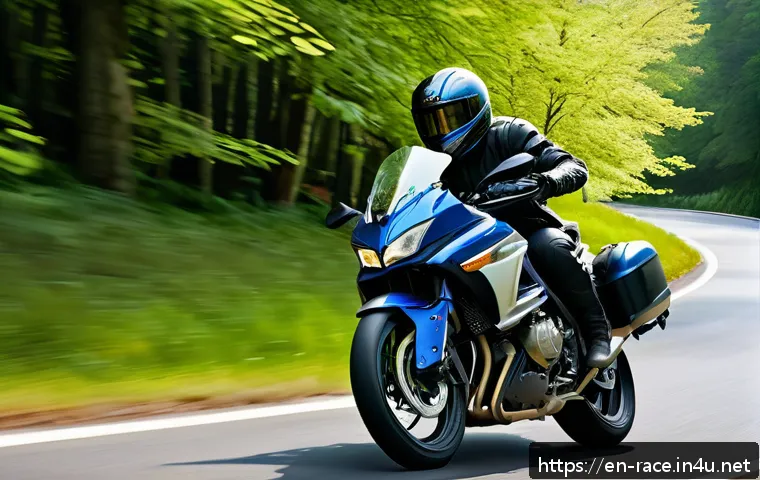
Riding enthusiasts everywhere are buzzing about mastering cornering techniques, especially as more riders hit the roads this season. With safety and performance at the forefront, understanding the secrets behind perfect cornering can transform your riding experience.
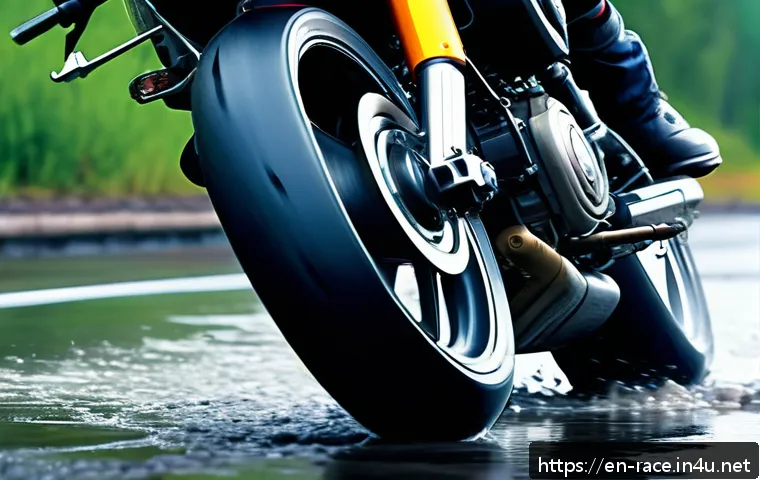
Whether you’re a beginner or looking to sharpen your skills, these insights are tailored to help you ride smoother and more confidently. Stick around as we dive into the essential tips every rider needs to know for navigating turns like a pro.
You won’t want to miss how these simple adjustments can make a huge difference on your next ride!
Understanding Body Position for Smooth Turns
Why Leaning Matters More Than You Think
When you’re approaching a corner, your body position is one of the most crucial factors that influences how smoothly and safely you navigate the turn.
A lot of riders underestimate the power of leaning correctly. It’s not just about tilting the bike; it’s about shifting your body weight strategically.
From my own experience, leaning your upper body toward the inside of the curve while keeping your eyes focused on the exit point helps maintain balance and control.
This subtle shift reduces the bike’s lean angle, which means better tire grip and less risk of slipping. I remember on a twisty mountain road, adjusting my lean slightly made the difference between feeling nervous and riding with confidence.
Finding the Sweet Spot: Head and Eye Placement
Your head and eyes play a huge role in cornering, yet many riders overlook where to look. Instead of staring directly in front of your wheel, practice looking through the curve to where you want to go.
This technique is called “looking through the turn” and it helps your brain and body anticipate the path, making your movements more fluid. When I first tried this, it felt strange, but once I got used to it, my cornering became much smoother and less jerky.
Also, keeping your head level with the horizon maintains balance and prevents unnecessary body sway, which can throw off your trajectory mid-turn.
Using Arms and Shoulders for Stability
Many riders tense up their arms when cornering, but this actually reduces your control. Relaxing your arms and using your shoulders to guide the bike’s lean creates a more natural and responsive feel.
Think of your arms as shock absorbers rather than rigid bars. I found that after consciously loosening my grip and engaging my shoulder muscles, I could feel the bike’s feedback better, which helped me correct my line earlier and avoid oversteering.
This small change brought a big improvement in how connected I felt to the bike during tight corners.
Mastering Throttle and Brake Control in Turns
Why Smooth Throttle Application Is a Game Changer
One of the biggest mistakes I see riders make is abrupt throttle input when entering or exiting a corner. Jerky throttle changes upset the bike’s balance and traction.
Instead, applying the throttle smoothly through the curve maintains steady traction and helps the bike stay planted. I remember a session on a track where the instructor emphasized “rolling on the throttle” rather than snapping it open.
That advice transformed my approach; the bike felt more predictable and I could accelerate earlier out of corners without feeling unstable.
Using Brakes Effectively Without Losing Control
Braking in a corner requires finesse. Many riders instinctively grab the brakes hard before turning, which can cause the bike to skid or stand up, ruining the line.
The best practice is to do most of your braking in a straight line before the turn and then gently trail brake—meaning gradually releasing the brake while entering the corner—to keep the bike stable.
I’ve personally noticed that practicing trail braking helped me reduce lap times and gave me more confidence on tight bends. It feels like you’re ‘feathering’ the brake just enough to keep the bike settled without upsetting the balance.
Combining Throttle and Brake for Maximum Control
The interplay between throttle and brake is subtle but powerful. As you lean into a corner, smoothly transitioning from brake to throttle keeps the bike balanced and maximizes grip.
This transition zone is where many riders lose control, but mastering it can make your riding feel effortless. I spent hours practicing this at a local track, trying to feel the bike’s natural rhythm.
Once I got it down, the bike seemed to flow through corners almost by itself, and the ride became more enjoyable and less tiring.
Choosing the Right Line Through Every Curve
Inside vs. Outside: Picking the Best Path
The line you take through a corner can dramatically affect your speed and safety. A common rule is to start wide at the corner’s entrance, cut close to the inside apex, and exit wide again.
This “racing line” maximizes your corner radius, allowing for higher speeds and better control. However, road conditions, traffic, and visibility might force you to adjust your line.
I learned early on that flexibility is key; sometimes a wider line offers better traction or visibility, even if it’s not the textbook approach. Learning to read the road and adapt your line accordingly is a skill that separates casual riders from pros.
Adjusting Lines for Different Corner Types
Not all corners are created equal. Tight hairpins require a different approach than sweeping bends. For hairpins, slowing down more and focusing on a tight apex is essential, while for faster corners, maintaining momentum with a wider line works better.
I remember tackling my first mountain hairpin; it took multiple attempts to get the timing right. By breaking the corner into entry, apex, and exit sections and consciously adjusting my speed and line, I improved quickly.
It’s a mental game as much as a physical one.
How Road Surface and Conditions Affect Your Line
The best line on a dry, smooth road might be dangerous if the surface is wet, gravelly, or covered in debris. Knowing how to modify your line based on road conditions is crucial for safety.
For example, avoiding painted lines or manhole covers in a turn, which can be slippery, is a must. On wet roads, I tend to take a wider line to reduce lean angle and maintain traction.
This kind of adaptability comes only with experience and awareness, but it’s vital to avoid unexpected slips or slides.
Essential Tire and Suspension Tips for Better Cornering
Choosing Tires That Match Your Riding Style
Tires are your bike’s only contact with the road, so their condition and type hugely impact cornering performance. Sport tires with softer compounds offer better grip but wear out faster, while touring tires last longer but provide less traction in aggressive turns.
From my trials, investing in a quality set of tires tailored to your typical riding conditions pays off in confidence and safety. Also, always check tire pressure before rides; underinflated tires can cause sluggish handling, while overinflated ones reduce grip.
Suspension Setup: Finding the Balance
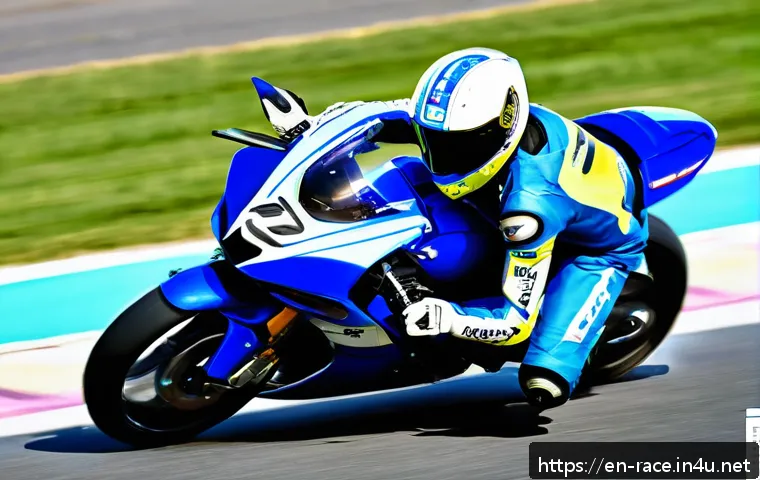
A well-tuned suspension absorbs bumps and keeps tires in contact with the road, making cornering smoother. Adjusting preload, compression, and rebound settings according to your weight and riding style can make a huge difference.
I once spent a day adjusting my suspension after feeling unstable in corners. The improvement was night and day—turns felt more controlled, and the bike responded better to inputs.
If you’re unsure, a professional suspension tune-up is a worthy investment.
Maintenance Habits That Boost Cornering Confidence
Regular maintenance keeps your tires and suspension performing at their best. Checking tire tread depth, inspecting for uneven wear, and cleaning suspension components should be part of your routine.
I keep a maintenance log and noticed that timely servicing prevented handling issues that can sneak up and compromise safety during cornering. Small efforts here translate to big peace of mind on every ride.
How Speed and Gear Selection Influence Your Turns
Matching Gear to Corner Type
Choosing the right gear before a corner affects engine braking and acceleration. Downshifting too early can upset the bike’s balance, while being in too high a gear may leave you struggling to accelerate out.
I try to settle into a gear that provides smooth power delivery throughout the turn. On twisty roads, this often means dropping one gear before the corner and rolling on the throttle gently while exiting.
This approach makes the bike feel responsive and helps maintain control.
Speed Control for Safety and Performance
Speed is a double-edged sword when cornering. Going too fast risks losing traction, but going too slow can throw off the bike’s dynamics and make the ride jerky.
My personal rule is to enter corners at a speed where I feel stable and can maintain a smooth throttle roll. Over time, I learned to judge corners better, adjusting speed based on road conditions and visibility.
This balance between caution and aggression keeps me safe and lets me enjoy the ride.
Using Engine Braking to Your Advantage
Engine braking can be a helpful tool for controlling speed smoothly without relying solely on the brakes. By downshifting gradually, you let the engine slow the bike naturally, which enhances stability.
When I started practicing this, I noticed less front brake wear and a more composed feel entering corners. It takes some practice to get the timing right, but it’s worth the effort for a safer, more controlled ride.
Common Mistakes to Avoid When Cornering
Overleaning and Its Risks
One of the most common pitfalls is leaning the bike too far, especially for newer riders trying to “look cool” or keep up with faster friends. Overleaning reduces tire contact patch and increases the chance of slipping out.
I’ve seen riders nearly lose control because they pushed beyond their skill level. It’s better to prioritize smoothness and control over aggressive lean angles, particularly on unfamiliar roads or in less-than-ideal conditions.
Ignoring Road Hazards and Blind Spots
Failing to scan the road for gravel, oil patches, or sudden changes in surface can cause serious trouble mid-corner. I always try to ride with my eyes moving ahead and scanning for hazards early.
This habit lets me adjust my line or speed in time. Neglecting this can lead to panic braking or sudden corrections, which often cause crashes.
Riding Tired or Distracted
Fatigue and distractions are silent enemies of good cornering. When your focus slips, your timing and judgment suffer. I’ve made the mistake of pushing through tiredness before and paid the price with sloppy turns and close calls.
It’s crucial to take breaks, stay hydrated, and ride only when mentally sharp. Cornering demands your full attention, so don’t shortchange yourself.
| Cornering Element | Key Tips | Common Mistakes |
|---|---|---|
| Body Position | Lean upper body inside, look through the turn, relax arms | Upright posture, staring at front wheel, tense arms |
| Throttle & Brake | Smooth throttle roll, trail braking, brake before turn | Abrupt throttle, hard braking mid-corner, late braking |
| Line Selection | Wide entry, tight apex, wide exit; adapt to conditions | Cutting corners too sharply, ignoring road surface |
| Tires & Suspension | Proper tire pressure, suitable tires, tuned suspension | Worn tires, incorrect pressure, poorly adjusted suspension |
| Speed & Gear | Choose gear for smooth power, control speed, use engine braking | Wrong gear, excessive speed, relying only on brakes |
In Conclusion
Mastering smooth turns requires a blend of proper body positioning, precise throttle and brake control, and smart line selection. From my own riding experiences, these techniques greatly improve confidence and safety on every curve. With practice and attention to detail, cornering becomes not just easier but truly enjoyable. Remember, riding is as much about feeling the bike as it is about skill.
Useful Tips to Keep in Mind
1. Always lean your upper body toward the inside of the turn while keeping your eyes focused on the exit point for better balance and control.
2. Use smooth throttle application and trail braking to maintain traction and stability through corners.
3. Adjust your line based on the type of corner and current road conditions to maximize safety and speed.
4. Regularly check your tires and suspension setup to ensure your bike handles optimally during turns.
5. Choose the right gear before entering a corner and use engine braking to control speed smoothly without upsetting balance.
Key Takeaways for Safer and Smoother Cornering
Effective cornering depends heavily on a rider’s ability to maintain proper body posture, anticipate the turn with correct eye placement, and stay relaxed to respond naturally to the bike’s feedback. Smooth throttle and brake inputs help preserve traction, while selecting the appropriate line and gear ensures stability and control. Consistent bike maintenance and adapting to road conditions are essential habits that elevate both performance and safety during turns.
Frequently Asked Questions (FAQ) 📖
Q: What is the most important thing to focus on when learning to corner on a motorcycle?
A: The key to mastering cornering is maintaining smooth control throughout the turn. This means managing your speed before entering the corner, using your body position to lean naturally with the bike, and keeping your eyes focused on the exit of the turn.
From my experience, rushing into a corner or braking mid-turn often causes instability. Practicing these steps helps build confidence and results in a safer, more enjoyable ride.
Q: How can beginners improve their cornering skills without risking safety?
A: For beginners, the best approach is to start slow and practice in safe, controlled environments like empty parking lots or quiet roads with gentle curves.
Gradually increase speed as your comfort grows. It’s also helpful to take a motorcycle safety course where instructors can provide personalized feedback.
Wearing proper gear and always scanning ahead will reduce risks and make learning smoother.
Q: Are there any common mistakes riders make when cornering that I should avoid?
A: Absolutely. One of the most frequent errors is looking down at the front wheel instead of where you want to go, which disrupts balance and steering. Another is braking hard while turning, which can cause loss of traction.
Also, not using proper body positioning—like keeping your upper body relaxed and leaning with the bike—can make corners feel more difficult. I’ve seen many riders improve quickly just by focusing on these points.