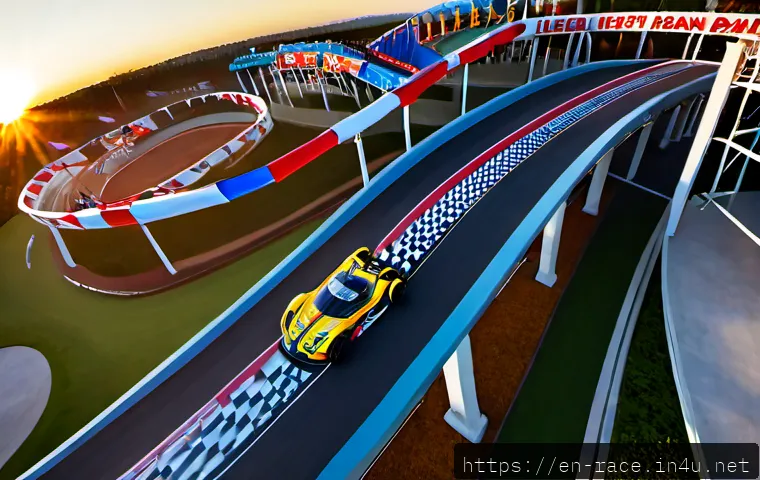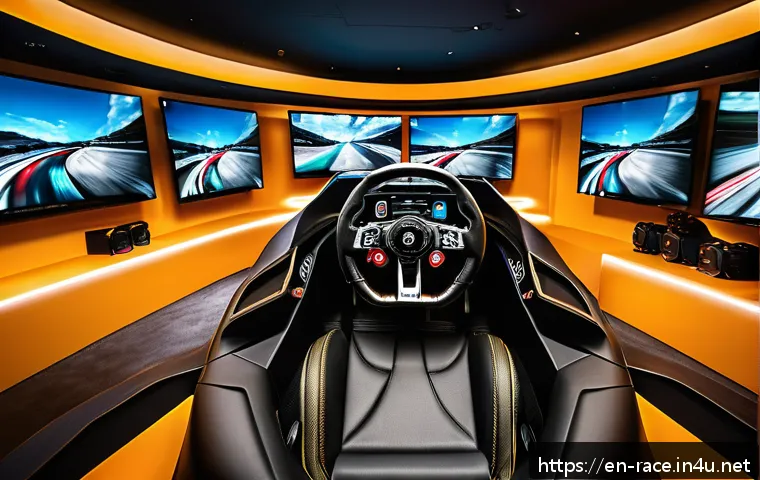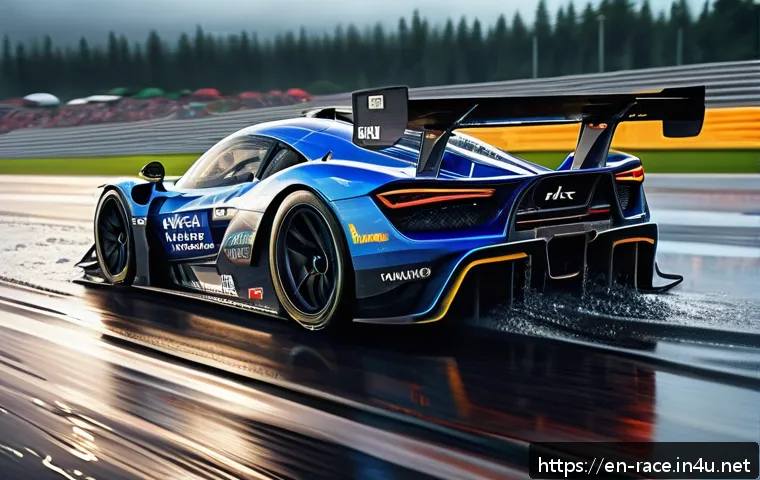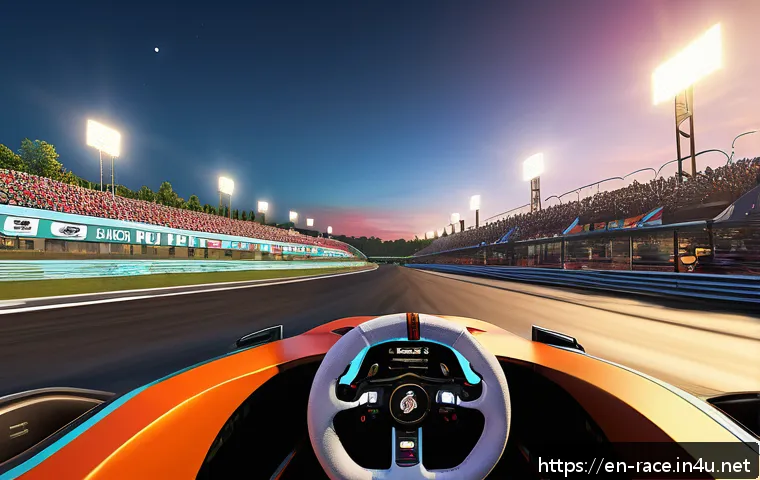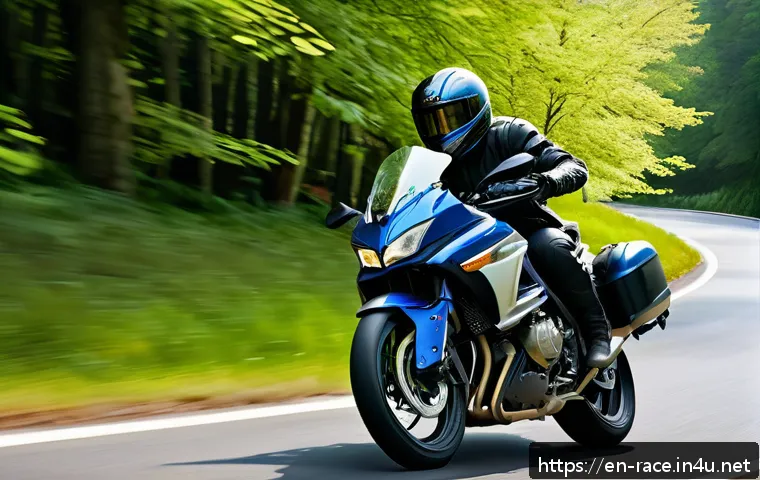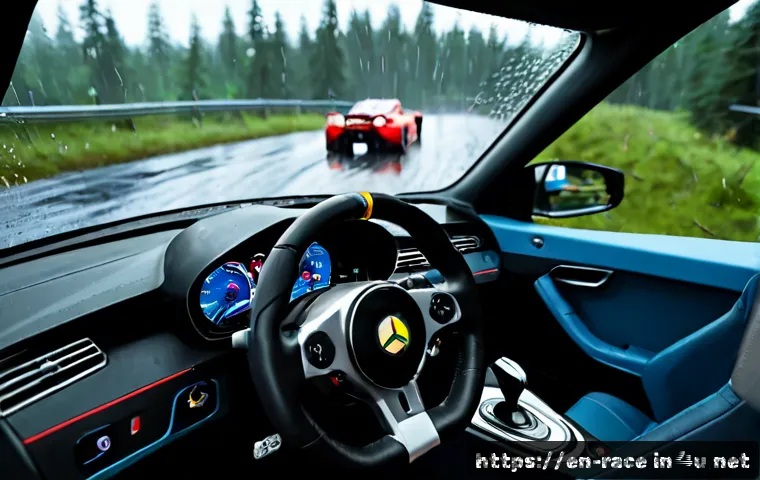
Environmental systems in racing games affect grip, visibility, braking, strategy, and immersion. Learn which features matter most for casual players and sim-racing buyers, plus how to judge whether premium hardware or a more advanced game edition adds real value.
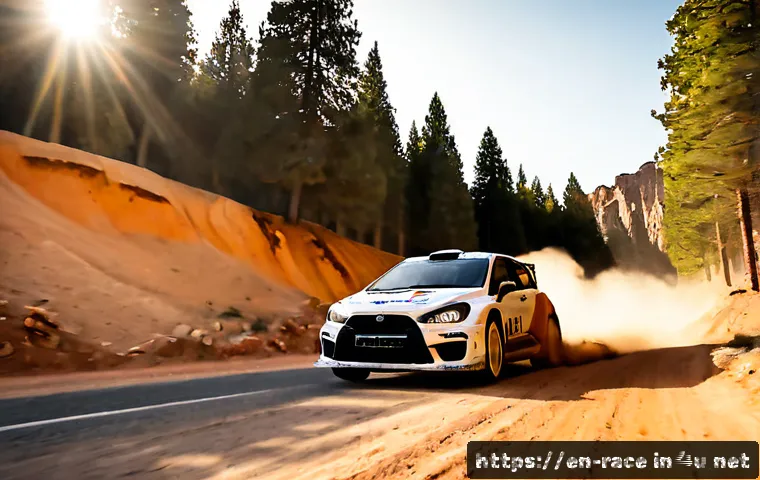
Environmental systems change racing games by affecting grip, visibility, braking, and strategy, not just scenery. Rain, darkness, and changing surfaces matter most when the game allows them to alter vehicle behavior.
For casual players, clear visibility options and approachable handling may be more valuable than deep tire management. For sim-racing buyers, dynamic weather, supported force feedback, and compatible wheels or pedals can add meaningful feedback—but only when the selected game actually supports those features.
A premium edition can be worthwhile if it adds modes or environmental systems you will use regularly. A more advanced setup is not automatically better; compare the game’s compatibility details before choosing a racing wheel, display, pedals, or bundle.
At a Glance
- Controller players: Rain, night visibility, and accessible camera or HUD settings usually have the most immediate impact.
- Wheel users: Supported force feedback can make changes in traction and road texture easier to notice.
- Strategy-focused players: Dynamic weather can make tire choices, driving lines, and pit-stop timing part of the race.
| Game Style | Environmental Effects That Matter | Setup Consideration | Feature Value |
|---|---|---|---|
| Arcade racing | Visual rain, night scenes, obvious surface changes | A controller is often the straightforward choice | Best for visual variety and immediate fun |
| Hybrid racing | Weather and surfaces may influence control without demanding detailed management | A wheel can add immersion if force feedback is supported | Useful balance of accessibility and changing conditions |
| Simulation-focused racing | Wet grip, tire behavior, track temperature, changing lines, and pit strategy | Check wheel, pedal, and platform compatibility first | Most valuable for players who enjoy adaptation and detailed feedback |
Why Environment Changes More Than Visual Realism
The Quick Answer: Grip, Visibility, Braking, and Race Strategy
Environmental effects matter when they change the decisions made behind the wheel. In games that model wet surfaces and tire behavior, rain can reduce available grip. That can make a familiar corner require earlier braking, gentler steering, and more careful acceleration. Night racing can also make braking markers, hazards, and track edges harder to see, even when the circuit itself is unchanged.
Which Effects Are Cosmetic and Which Change Vehicle Behavior?
A dramatic sky, headlights, or rain on the camera can improve atmosphere without necessarily changing the handling model. More important features are those that affect traction, braking distance, steering response, tire choices, or route selection. Surface changes such as gravel, dirt, snow, curbs, and standing water can alter control, but the depth of that effect varies widely by game type.
Why the Same Circuit Can Feel Different in Dry, Wet, and Night Conditions
Dry conditions generally make it easier to see reference points and use a consistent racing line. Wet conditions can reward a smoother approach and may encourage drivers to avoid areas with reduced grip. At night, the question is often not only how fast the car can go, but whether the player can reliably read the next braking zone. In simulation-focused titles, track temperature may also be represented as a factor affecting tire performance.
Compare Environmental Features Before Choosing a Racing Game
Arcade, Hybrid, and Simulation-Focused Design Differences
Arcade racers commonly prioritize speed, spectacle, and quick recovery after mistakes. Hybrid games may combine accessible driving with weather or surface effects that still influence control. Dedicated simulators generally place more attention on tire behavior, track conditions, and consistency. None is automatically better. The right choice depends on whether you want changing weather to be a visual event, a moderate challenge, or a central part of race management.
Dynamic Weather, Day-Night Cycles, Surface Physics, and Damage Settings
Look beyond broad labels such as “realistic” or “dynamic.” Check whether the game describes dynamic weather, a day-night cycle, surface behavior, tire-related systems, and adjustable damage or driving assists. A changing sky alone does not confirm that grip or strategy changes with it. Likewise, a premium game edition may offer value only if its included modes, tracks, or features match the kind of racing you play.
Feature-Value Guide: When a Premium Edition or Simulator Setup Makes Sense
A higher-tier edition is easier to justify when you repeatedly use weather-based events, longer races, or modes where pit timing and tire selection matter. A racing simulator setup makes more sense when the game supports force-feedback effects and you want road texture or traction changes communicated through the wheel. If you mainly play short events with assists enabled, a controller and a standard edition may be the more practical starting point.
Driving Adjustments for Rain, Darkness, and Changing Track Conditions
Brake Earlier and Use Smoother Steering Inputs on Low-Grip Surfaces
When a game models lower grip in wet conditions, start with earlier braking and avoid abrupt steering or throttle inputs. Smooth inputs give you more time to recognize a slide or loss of traction. The exact behavior depends on the game, its assist settings, and its driving model, so use practice sessions to learn what changes under different conditions.
Adapt Racing Lines When Puddles, Gravel, Snow, or Dust Affect Control
The fastest-looking line is not always the most controllable one. If standing water, loose material, snow, or gravel affects vehicle control, leave room for correction and avoid treating every lap as identical. Curbs can also feel different from the main track surface. A safer line may be slower in theory but easier to repeat during a changing race.
Use Camera, Brightness, HUD, and Accessibility Settings Without Losing Useful Information
Night events are a good reason to review brightness, camera position, HUD information, and visibility settings. Choose a view that lets you see track boundaries and braking references clearly. Keep the information that helps you make decisions, such as race position or tire-related prompts when the game provides them, rather than disabling everything for a cleaner screen.
Hardware and Settings That Make Environmental Effects Easier to Read
Controller Versus Racing Wheel: What Changes in Practice
A controller remains a capable option for every type of racing game. A supported force-feedback wheel can add another layer of information by communicating changes in traction or road texture. That does not mean every wheel will transform every game. The benefit depends on the game’s implementation, wheel support, your settings, and whether you enjoy detailed physical feedback.
Display Refresh Rate, Brightness, Headphones, and Force-Feedback Considerations

A display with comfortable brightness can help make night boundaries and hazards easier to read. Clear audio through headphones may also help players notice environmental cues provided by a game. For wheel users, avoid assuming that a stronger or more expensive unit automatically means better environmental detail. Supported force-feedback behavior is the key comparison point.
Compatibility Checks Before Buying a Wheel, Pedals, Cockpit, or Premium Game Bundle
Before purchasing sim-racing hardware, confirm platform support, game compatibility, control mapping, and force-feedback support. Do the same for pedals, cockpit mounts, and display connections. Individual feature availability can differ between platforms, editions, and games, so official product pages and current support details are the safest place to verify the setup you want.
Match the Experience to Your Play Style
Casual Players Who Want Visual Variety Without Complex Vehicle Management
Choose a game with weather and time-of-day variety, readable tracks, and adjustable assists. You can enjoy rain, snow, and night driving without making tire strategy the focus of every race. Prioritize controls that feel comfortable and settings that keep visibility clear.
Competitive Players Who Need Predictable Settings and Clear Track Information
Competitive players may prefer stable conditions when learning a circuit or refining a lap. Environmental effects can still be enjoyable, but consistency and readable race information often matter more than maximum unpredictability. Look for the ability to configure event conditions and assists according to the mode you play.
Sim-Racing Players Who Value Tire Strategy, Weather Transitions, and Detailed Feedback
If adapting to a changing circuit is the appeal, look for titles that clearly support weather transitions, surface behavior, and tire-related decision-making. A compatible racing wheel and pedals may deepen that experience, especially where force feedback communicates traction changes. Start with the game’s supported features rather than building a hardware setup around assumptions.
Selection Criteria and Comparison Summary
Use these checks before choosing a game, premium edition, or sim-racing setup:
- Does weather change vehicle behavior, or is it mainly visual?
- Can you adjust day-night conditions, assists, cameras, brightness, and HUD details?
- Do you enjoy tire choices, changing driving lines, and pit-stop timing?
- Is your preferred controller, racing wheel, pedal set, or display supported on your platform?
- Does the higher game edition include features you will actually use?
Compare compatible wheels, pedals, displays, and game editions by checking the official feature lists and support conditions on the relevant product pages.
Closing Thoughts
Weather and track conditions are most valuable when they create decisions you enjoy making. A casual player may get plenty of value from clear night racing and attractive weather effects, while a sim-racing player may want tire behavior, changing traction, and force-feedback detail. Focus on the level of challenge you want, then choose hardware and game features that support it. Compatibility should come before any major setup purchase.
Useful Information
Rain: Can reduce available tire grip in games that model wet surfaces and tire behavior.
Night racing: Can make braking points, hazards, and track boundaries harder to see.
Surface changes: Gravel, dirt, snow, curbs, and standing water can affect control.
Force feedback: Can communicate traction or road-texture changes when the game supports those effects.
Important Considerations
Environmental systems differ substantially between arcade racers, mainstream racing games, and dedicated simulators. A game’s marketing description does not confirm the accuracy or depth of weather, tire wear, track temperature, or hydroplaning behavior. Feature availability, hardware support, platform compatibility, bundle contents, and pricing should always be checked before purchase.
Frequently Asked Questions
Q1. Do dynamic weather effects make a racing game harder?
A1. They can. Dynamic weather may require changes to tire choices, driving lines, braking habits, and pit-stop timing. The difficulty depends on how deeply the game models weather and which assists are enabled.
Q2. Is a racing wheel worth buying for games with changing track surfaces and weather?
A2. It can be worthwhile if the game supports force feedback and you want more physical information about traction or road texture. Check compatibility and supported effects before buying a wheel, pedals, or cockpit.
Q3. Which environmental features should beginners prioritize when choosing a racing game?
A3. Prioritize clear visibility settings, adjustable assists, readable HUD options, and weather effects that feel enjoyable rather than overwhelming. Deep tire and strategy systems can be added later if you find that changing conditions are the part of racing you enjoy most.