Hey fellow speed demons and adrenaline junkies! Ever feel that rush when you hit the perfect apex or pull off a daring overtake? Racing games have been serving up that exhilarating feeling for decades, but boy, have they changed!
From the pixelated wonders of the arcade era to the jaw-dropping realism of today’s simulators, this genre has constantly pushed the boundaries of technology and immersion.
We’re talking about games that now let you feel every rumble with haptic feedback, transport you into virtual cockpits with VR, and even compete in global esports tournaments where the stakes are real and the talent is undeniable.
But it’s not just about flashy graphics anymore. The latest trends are all about deep customization, open-world exploration that makes every drive an adventure, and incredibly smart AI that truly challenges your skills.
We’re seeing a fascinating evolution where the lines between gaming and real-world racing are blurring, with professional drivers even using simulators for training.
What’s next? I’ve been pondering the future myself, imagining truly integrated racing metaverses where you can build your ultimate garage, race against friends from around the globe in a persistent online world, and even design your own tracks.
The possibilities are truly mind-bending, and I’m so excited to share what I’ve learned about where we’ve been and where we’re headed in this incredible world of virtual speed.
It’s a journey that keeps getting more thrilling! You know, there’s something universally thrilling about speed, the roar of an engine, and the pure joy of competition.
For as long as video games have existed, racing has been a cornerstone, drawing us in with the promise of high-octane excitement. I’ve personally spent countless hours behind virtual wheels, witnessing firsthand how these digital races have evolved from simple pixelated sprints to incredibly immersive experiences that truly make your heart pound.
It’s a journey filled with innovation, legendary titles, and a constant drive for more realism and fun. If you’ve ever wondered how we got from rudimentary arcade cabinets to today’s hyper-realistic simulations, then buckle up, because I’m about to give you the full scoop on the incredible history of racing games!
The Genesis of Speed: From Arcades to Home Consoles
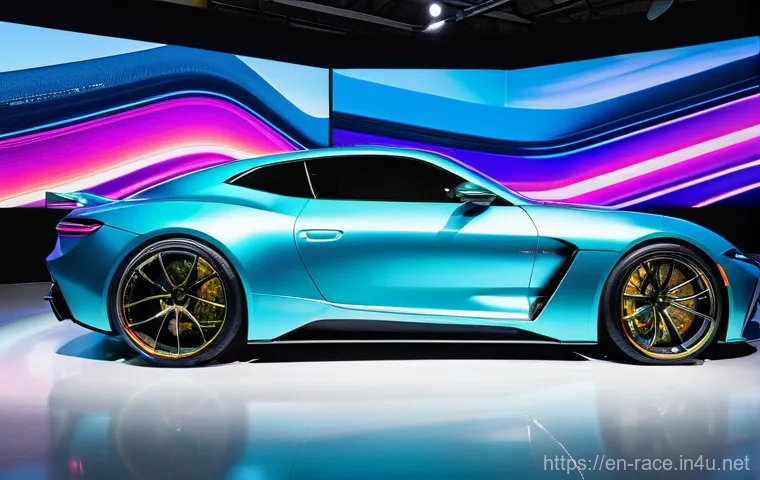
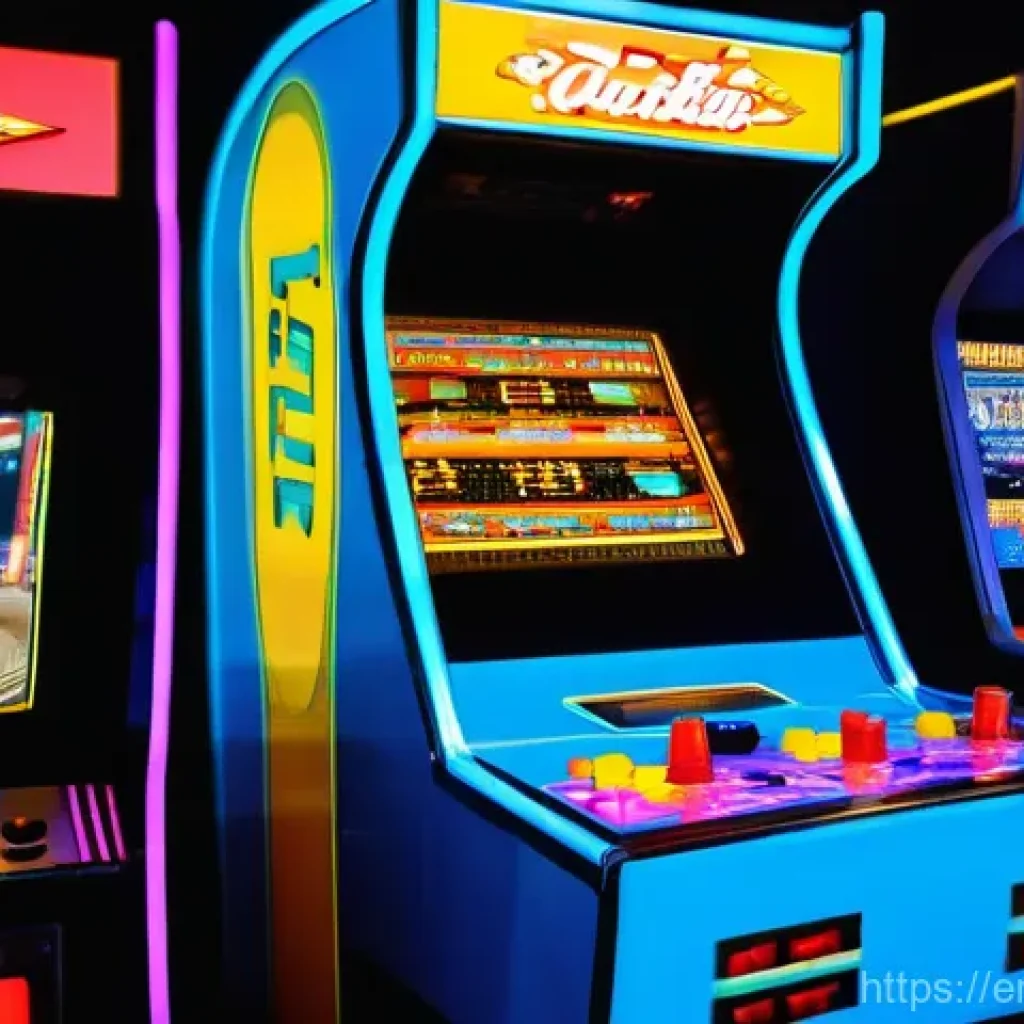
You know, for many of us, our first taste of virtual speed wasn’t on a powerful PC or a sleek console, but in the vibrant, noisy halls of an arcade. I remember those days vividly, clutching a huge, clunky steering wheel, the cabinet thrumming beneath me as I tried to navigate those pixelated tracks. Games like *Pole Position* and *Out Run* weren’t just games; they were experiences. They captured the pure, unadulterated thrill of racing with incredibly simple yet effective mechanics. The goal was straightforward: go fast, avoid obstacles, and beat the clock. There was a raw, visceral appeal to these early titles, despite their graphical limitations, that drew massive crowds and endless quarters. It wasn’t long before that arcade magic started making its way into our homes, slowly but surely transforming what we expected from a racing game. This transition wasn’t just about moving from a public space to a private one; it was about laying the groundwork for an entire genre that would eventually dominate the gaming landscape, pushing technological boundaries and captivating millions. I can still hear the iconic music of *Out Run* playing in my head, a nostalgic soundtrack to countless childhood memories.
The Arcade Boom and the Birth of a Genre
The late 70s and 80s truly were the wild west for racing games. Developers were figuring things out as they went, but they hit on some absolute gold. Think about the feeling of cruising through a vibrant, stylized landscape in *Out Run*, the wind (or rather, the cabinet fans!) in your hair, choosing your own path. Or the sheer challenge of timing your gear shifts just right in *Pole Position* to shave precious seconds off your lap time. These games weren’t just about speed; they were about atmosphere and immediate gratification. The chunky sprite-based graphics and synthesized soundtracks created an undeniable charm, cementing the genre’s appeal. I often wonder if today’s hyper-realistic simulations would even exist without the foundational ideas forged in those coin-operated machines, teaching us the joy of a perfect drift or a well-timed overtake.
Bringing the Track Home: Early Console Experiences
As home consoles gained traction, the dream of having an arcade experience in your living room became a reality. It wasn’t always perfect, granted, but it was a revelation. I still remember the hours I poured into *Enduro* on my Atari, or later, the surprisingly deep racing action on the NES and Sega Genesis. Developers had to get creative, working within severe hardware limitations to deliver something that felt fast and fun. While we didn’t have force feedback steering wheels, we had d-pads and buttons, and a whole lot of imagination. This era truly democratized racing games, making them accessible to anyone with a console. It laid the groundwork for future giants, showing that you didn’t need to leave your house to feel the thrill of competition, even if it was against a very basic AI opponent.
The Golden Age of Simulation: Realism Takes the Wheel
Then came a seismic shift, one that redefined what a racing game could be. For me, that moment arrived with *Gran Turismo* on the original PlayStation. It wasn’t just another racing game; it was an encyclopedia of automotive passion, a love letter to cars and the art of driving. Suddenly, it wasn’t enough to just win; you had to understand the nuances of tire grip, suspension settings, and engine tuning. I distinctly remember the painstaking hours I spent in the garage, tweaking every single parameter, trying to shave milliseconds off my lap times, feeling a genuine connection to the engineering behind each vehicle. This era truly pushed the boundaries of realism, transforming racing games from simple arcade blasts into sophisticated simulations where every corner felt like a strategic challenge. It wasn’t just about flashy graphics; it was about physics, handling, and an unprecedented level of detail that made you feel like you were genuinely mastering the art of driving. This pursuit of authenticity captivated a whole new generation of players, myself included, who craved a deeper, more cerebral racing experience.
Gran Turismo and the Drive for Authenticity
When *Gran Turismo* first roared onto the scene, it was an absolute game-changer. Polyphony Digital’s vision was clear: create the most realistic driving simulator possible. And boy, did they deliver! The sheer number of licensed cars, each painstakingly recreated, was mind-boggling. But it was the physics engine that truly stood out. You could feel the weight transfer, the subtle understeer, the precise moment your tires would lose grip. It wasn’t just about collecting cars; it was about earning them, tuning them to perfection, and mastering them on the track. I personally spent hundreds of hours in *Gran Turismo 2* trying to earn enough credits for that elusive McLaren F1, and the sense of accomplishment when I finally did was immense. It fostered a deep appreciation for automotive culture, teaching us about different manufacturers, car classes, and racing disciplines. It truly set a new standard for what was achievable in racing simulation.
Forza’s Open-Ended Approach and Customization
Of course, *Gran Turismo* didn’t hold the simulation crown unchallenged forever. The *Forza Motorsport* series, spearheaded by Xbox, brought its own distinct flavor to the genre. While maintaining a strong commitment to realism, *Forza* often leaned heavily into player freedom and an incredibly robust customization suite. I loved the way *Forza* embraced car culture beyond just racing, encouraging players to personalize their vehicles with intricate liveries and performance upgrades. The online community features, like sharing tunes and designs, created a vibrant ecosystem where players could express their creativity and compete in a more social, dynamic environment. It fostered friendly rivalries and a sense of camaraderie, making the experience feel even more personal and engaging. For me, the ability to take a humble commuter car and transform it into a track-day monster was incredibly satisfying.
Open Worlds and Online Arenas: Beyond the Track
As technology advanced, the confines of a strict racing circuit started to feel a bit… limiting, wouldn’t you say? That’s when we saw a wonderful expansion of the racing game experience into vast, sprawling open worlds. Suddenly, the entire map was your playground, not just a series of disconnected tracks. I still get a thrill thinking about the first time I truly felt that sense of freedom, just cruising for miles, discovering hidden roads and unexpected challenges. This shift wasn’t just about bigger maps; it was about creating a living, breathing automotive sandbox where you could race, explore, or simply enjoy the scenery with friends. This evolution completely changed the pacing of racing games, allowing for moments of serene exploration interspersed with bursts of high-octane competition. And alongside this newfound freedom came the exponential growth of online multiplayer, transforming a solitary pursuit into a global, interconnected phenomenon where you could challenge anyone, anywhere, at any time. It truly felt like the world was opening up, offering endless possibilities for digital automotive adventures.
Exploring Vast Digital Landscapes
The introduction of truly open-world racing games was a revelation. Titles like *Need for Speed: Most Wanted* and later the *Forza Horizon* series offered a sense of scale and freedom that traditional circuit racers couldn’t match. Imagine tearing through a sprawling cityscape or blasting across sun-drenched countryside, with dynamic weather and a day-night cycle adding to the immersion. It wasn’t just about going from point A to point B; it was about the journey, the exploration, and the sheer joy of driving wherever your heart desired. I remember spending countless hours just cruising in *Forza Horizon 4*’s Great Britain, discovering all its little secrets and finding the perfect spot for a photo op. This approach allowed for a much more varied gameplay experience, blending traditional races with stunts, challenges, and casual drives, appealing to a broader audience who wanted more than just pure competition.
The Rise of Online Multiplayer Mayhem
While local split-screen multiplayer was always a blast, the advent of reliable online gaming truly transformed the racing scene. Suddenly, you weren’t just racing against AI or a friend on the couch; you were competing against real players from around the globe. This brought an entirely new level of unpredictability and excitement. Early online racing could be a bit chaotic, but the thrill of going head-to-head with human opponents, knowing that every move was genuine, was incredibly addictive. Games like *Need for Speed: Underground 2* and *Test Drive Unlimited* showcased the potential of persistent online worlds where players could meet up, show off their rides, and challenge each other on the fly. For me, that constant human element made every race a unique story, full of unexpected overtakes and nail-biting finishes. It truly built communities around these games, forging friendships and rivalries that transcended geographical boundaries.
The Esports Revolution: Virtual Racing Goes Pro
It used to be that racing games were just a fun pastime, a way to blow off some steam after a long day. But lately, we’ve witnessed an incredible transformation: virtual racing has truly stepped onto the global stage as a legitimate professional sport. It’s absolutely mind-blowing how far it’s come! I remember watching early online tournaments and thinking, “Wow, these guys are good,” but now, we’re talking about official championships with massive prize pools, dedicated teams, and even real-world racing drivers competing. It’s not just about hitting the gas anymore; it’s about meticulous setup, strategic tire management, lightning-fast reflexes, and an almost superhuman ability to read the track and your opponents. This evolution has elevated the entire genre, demanding a level of skill and dedication that rivals traditional motorsports. Watching these pros battle it out, I’m constantly amazed by their precision and consistency, realizing just how much goes into being truly elite in the virtual racing world. The lines between gaming and real sport are blurrier than ever, and I am absolutely here for it!
From Living Room to Global Stage
The transformation of virtual racing into a legitimate esport has been nothing short of spectacular. What started as casual online races among friends has blossomed into highly organized, professional leagues. Think about the F1 Esports Series, where teams affiliated with real Formula 1 constructors scout and sign top virtual drivers. Or the numerous championships in titles like *iRacing* and *Assetto Corsa Competizione* that offer significant prize money and even pathways into real-world motorsport. It’s fascinating to see how closely these events mimic their real-life counterparts, complete with commentators, team strategies, and intense rivalries. I often find myself glued to the screen during these broadcasts, feeling the same tension and excitement as I would watching a live F1 race. It really highlights the depth and competitive integrity of these simulations, proving that the skills required are genuinely transferable.
The Business of Virtual Speed: Sponsorships and Careers
With the rise of esports, virtual racing has become a viable career path for incredibly talented individuals. We’re talking about more than just prize money; professional sim racers now secure sponsorships, have dedicated training regimens, and are often part of larger esports organizations. Content creators and streamers who focus on racing games also play a huge role, building massive communities and further legitimizing the scene. I’ve personally followed several streamers who have gone from passionate hobbyists to full-time professionals, and it’s inspiring to see. This commercialization has injected significant investment into the genre, leading to better production quality for events, more sophisticated equipment for competitors, and an overall more polished experience for viewers. It’s clear that virtual racing isn’t just a niche anymore; it’s a growing industry with serious potential.
Driving the Future: VR, Haptics, and AI Intelligence
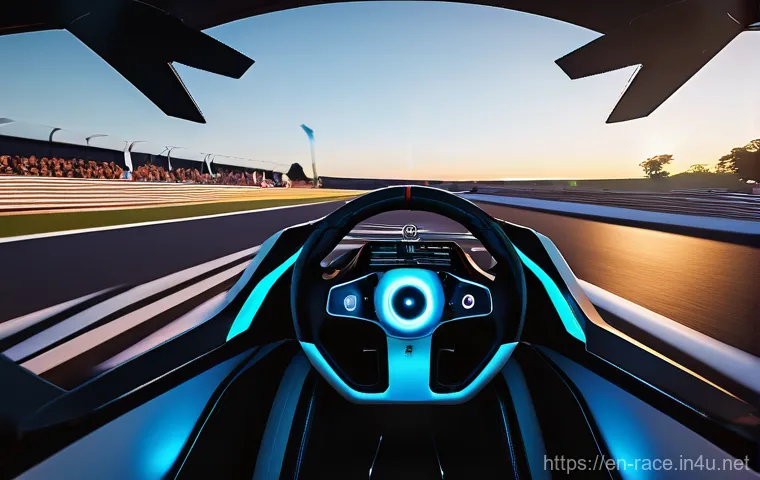
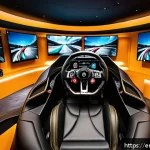
Just when you think racing games can’t get any more immersive, along comes a wave of new technologies that completely blow your mind! I’m talking about things like virtual reality and advanced haptic feedback, which aren’t just incremental upgrades; they’re fundamentally changing how we experience speed and control. Stepping into a VR headset for the first time in a racing sim is a moment I’ll never forget – suddenly, you’re not just looking at a screen, you’re *inside* the car, truly feeling the scale and speed. And then there’s haptic feedback, making every rumble strip, gear shift, and tire slip a physical sensation through your steering wheel or even your seat. What truly excites me, though, is the incredible leap in AI intelligence. Gone are the days of predictable, robotic opponents; modern AI drivers learn, adapt, and provide truly challenging races that feel organic and real. It’s like having a real driver alongside you, pushing your limits. This combination of sensory immersion and intelligent opposition is pushing racing games into an entirely new dimension, making every race an even more thrilling and personal challenge.
Immersive Realism: Stepping into the Cockpit
Virtual Reality (VR) has been a game-changer for immersion in racing games. I remember strapping on a headset for the first time and being absolutely floored by the sense of presence. Looking around the cockpit, seeing the track stretching out before me in 3D, and even peering through the side windows during a turn – it completely transformed the experience. It makes you feel like you’re actually *in* the race, making split-second decisions based on depth perception rather than just a flat image. Complementing this visual immersion is advanced haptic feedback. Modern steering wheels aren’t just vibrating anymore; they’re simulating specific forces, telling you exactly what the tires are doing, when you’re losing grip, or hitting a curb. Even specialized racing seats can provide vibrations that mimic engine rumble and road texture. For me, these technologies aren’t just gadgets; they’re essential tools that enhance the realism and make the virtual world feel genuinely tangible.
Smarter Opponents, Deeper Challenges
The evolution of AI in racing games is another area that has seen incredible progress. Remember those early AI opponents that just followed a rigid line and brake at the same point every lap? Thankfully, those days are largely behind us. Modern AI drivers can now adapt to your driving style, make mistakes, and even respond strategically to your overtakes. They can mimic different racing personalities, from aggressive chargers to cautious defenders, making each race feel more dynamic and unpredictable. I’ve found that some AI drivers in newer titles can be incredibly challenging, requiring me to be at my absolute best to win, even making me re-think my lines and braking points. This enhanced intelligence creates a much more engaging and realistic single-player experience, providing a constant challenge that helps hone your skills even when you’re not racing against human opponents.
Customization and Creativity: Building Your Dream Ride
You know, for me, a huge part of the fun in racing games isn’t just about winning races; it’s about making a car truly *yours*. It’s that deep satisfaction you get from taking a stock vehicle and transforming it into a personalized beast, perfectly tuned to your driving style and adorned with a livery that screams *you*. This focus on customization has absolutely exploded over the years, giving us unprecedented control over both the performance and the aesthetics of our virtual rides. I’ve spent countless hours in garages, meticulously tweaking engine components, suspension settings, and aerodynamic elements, all in pursuit of that perfect handling balance. And then there’s the artistic side – the livery editor! It’s incredible to see the creativity of the community, turning simple car models into rolling works of art. This blend of engineering and artistic expression adds so much depth to the racing game experience, fostering a genuine connection between the player and their vehicles. It allows us to not just drive cars, but to build, personalize, and truly own our automotive fantasies, adding layers of engagement far beyond simply crossing the finish line.
Unleashing Your Inner Mechanic: Deep Tuning Systems
The level of tuning available in modern racing games is simply incredible. It’s no longer just about picking a faster engine; you can delve into intricate details like gear ratios, differential lock, camber angles, toe settings, and even anti-roll bars. For someone who loves to tinker, like myself, this is pure heaven. I remember painstakingly adjusting my car’s setup for a specific track in *Project CARS*, feeling the tangible difference each change made to the car’s behavior. The ability to fine-tune every aspect of your vehicle’s performance allows for a deeper understanding of automotive mechanics and how they impact handling. It transforms the garage into a laboratory, where you experiment, learn, and ultimately craft a machine that performs exactly as you envision. This depth of mechanical customization adds a fantastic layer of strategy and personal investment to the racing experience, making every victory feel even more earned.
Personal Expression on Wheels: Liveries and Design
Beyond performance, the aesthetic customization options have become a canvas for incredible creativity. Livery editors, which allow players to design and apply elaborate paint jobs, decals, and sponsors to their cars, have become incredibly sophisticated. I’ve spent entire evenings just designing a perfect racing livery, trying to get every line and logo just right. It’s a fantastic way to express your personality or represent a favorite team, and the ability to share these designs with the online community means there’s a constant influx of stunning, user-created artwork. Seeing thousands of unique designs in a game like *Forza Motorsport* or *Gran Turismo* always amazes me. It’s not just about racing anymore; it’s about making a statement, showcasing your artistic flair, and standing out from the crowd. This creative outlet truly adds another dimension to the gaming experience, turning every car into a potential masterpiece.
Beyond the Finish Line: Community, Culture, and Crossovers
As much as I adore the pure thrill of racing, what truly makes these games special is how they’ve built thriving communities and transcended the track itself. It’s not just about solitary hot laps anymore; it’s about connecting with other gearheads, sharing experiences, and even seeing our virtual passion bleed into real-world culture. I’ve personally made some incredible friends through online racing leagues, bonding over late-night practice sessions and epic race finishes. The way these games foster a sense of belonging, whether through in-game car clubs or real-life meetups inspired by virtual events, is truly something to behold. We’re also seeing racing mechanics and themes pop up in unexpected places, proving just how versatile and enduring the appeal of speed and competition really is. This ongoing evolution, both within the games and in the broader cultural impact they have, keeps the genre fresh and exciting, always offering new ways to engage with our shared love for all things automotive. It’s this vibrant ecosystem that truly keeps me coming back, race after race, year after year.
The Social Hub: Clubs, Crews, and Car Meets
Modern racing games often feature robust social systems that encourage interaction beyond just competitive racing. Think about the car clubs in *Forza* or the crews in *Need for Speed*, where players can team up, share resources, and compete together. These in-game social features create a sense of belonging and camaraderie, making the experience much richer. I’ve been part of several online racing communities where we’d organize specific events, car meets, and even role-playing sessions, all centered around our shared passion for virtual cars. Sometimes, these virtual friendships even translate into real-world connections, with players organizing meetups or discussing cars in person. It’s a powerful testament to how video games can build genuine communities and foster a vibrant subculture that extends far beyond the digital realm.
Racing Meets Other Genres: Narrative and Innovation
While racing games are often synonymous with pure competition, developers have increasingly experimented with integrating narrative elements and unique gameplay mechanics from other genres. We’ve seen story-driven racing campaigns that explore rivalries and personal journeys, adding emotional depth to the high-speed action. Games like *The Crew* or *Driveclub* have tried to weave in persistent online worlds with challenges and progression systems that feel more like RPGs. Even elements of exploration and puzzle-solving can be found in some titles, expanding the definition of what a racing game can be. This willingness to innovate and blend genres keeps the racing landscape fresh and exciting, ensuring there’s always something new and unexpected around the corner. It truly shows the versatility of the core racing experience and how it can be reimagined in countless creative ways.
| Era | Key Innovation | Example Game(s) | Impact on Players |
|---|---|---|---|
| Arcade Era (70s-80s) | First-person perspective, force feedback steering | Pole Position, Out Run | Visceral thrill, immersive arcade experience, simple joy of speed |
| Early Console (80s-90s) | Multiplayer splitscreen, licensed cars, track design variety | Super Mario Kart, Gran Turismo | Social gaming at home, brand recognition, deeper car rosters and realistic driving physics |
| Modern Simulation (2000s-Present) | Realistic physics, online competitive modes, deep customization, open worlds | Forza Motorsport, iRacing, Forza Horizon | Unprecedented realism, global competition, personal expression, freedom to explore |
| Future Trends (Present-Future) | VR/AR integration, advanced haptics, AI-driven opponents, metaverse elements | Gran Turismo 7 (VR), various indie simulations | Ultimate immersion, adaptive challenges, persistent online worlds, blurring lines between real/virtual |
Concluding Thoughts
What an incredible journey it’s been, watching racing games evolve from simple pixelated sprints in smoky arcades to the hyper-realistic, globally competitive esports spectacles we see today! It’s truly a testament to human ingenuity and our enduring love for speed, competition, and the beautiful machines that embody them. Through every generation, from the tactile thrill of early arcade cabinets to the immersive worlds of VR and advanced haptics, racing games have consistently pushed boundaries, bringing us closer to the visceral experience of being behind the wheel. For me, it’s not just about the technology, but the passion that fuels it – the shared excitement of a perfect lap, the camaraderie in a car club, and the sheer joy of pushing limits. It’s a journey that keeps on giving, and I, for one, can’t wait to see what thrilling innovations the road ahead holds for us all.
Useful Information to Know
1. If you’re looking to dive deeper into the world of virtual racing, especially on the competitive side, consider investing in a decent force-feedback steering wheel and pedal set. From my own experience, upgrading from a controller to a wheel transformed my lap times and overall enjoyment significantly. It’s not just about realism; it’s about the precision and consistency you gain, allowing you to truly feel the car’s limits and react much more intuitively to what’s happening on the track. A good entry-level setup won’t break the bank, but it will open up a whole new dimension of immersion and skill development. It genuinely makes you feel more connected to the simulation, which is a massive plus when you’re aiming for those podium finishes or simply want a more engaging drive after a long day.
2. Don’t underestimate the power of community! I’ve found that joining online racing leagues or even just active Discord servers dedicated to your favorite racing title can be incredibly rewarding. Not only do you find like-minded people to race with, but you also gain access to a wealth of knowledge for car setups, driving techniques, and track guides. Many of these communities organize regular events, from casual cruises to competitive championships, offering a fantastic way to enhance your gaming experience. Plus, the banter and camaraderie you build with fellow racers are often as enjoyable as the racing itself, fostering friendships that can extend beyond the virtual track. It’s a great way to learn, share, and truly belong.
3. When it comes to car tuning, don’t just blindly copy setups from others. While a good starting point, remember that everyone’s driving style is unique. I personally spend time in the garage, making small, incremental adjustments to things like tire pressure, camber, and gear ratios, and then testing them out on the track. Pay attention to how the car feels. Is it understeering too much? Does it struggle with traction out of corners? Learning the basics of what each tuning option does will empower you to create a setup that truly complements your driving strengths and weaknesses, leading to faster, more consistent laps and a much more satisfying experience overall. This hands-on approach builds a deeper understanding of automotive dynamics that you might even find translates to real-world car appreciation.
4. Explore different racing game sub-genres! While pure simulation titles like *iRacing* or *Assetto Corsa Competizione* offer unparalleled realism, don’t shy away from arcade racers like *Forza Horizon* or *Need for Speed*. Each offers a distinct flavor of speed and fun. I often switch between intense sim racing and casual open-world cruising to keep things fresh. The variety ensures you never get bored and helps develop different driving skills. Arcade racers can be fantastic for pure, unadulterated thrills and exploring creativity with car customization, while sims demand discipline and technical mastery. Broadening your horizons will keep your passion for virtual driving alive and kicking, offering a constant stream of new challenges and enjoyable experiences. You’ll find different games scratch different racing itches.
5. If you’re struggling with a particular track or corner, utilize the in-game telemetry or ghost car features. I’ve found that comparing my braking points and racing lines to a faster ghost (either my own best lap or a community-shared one) instantly highlights where I can improve. Many modern racing games also offer detailed telemetry data, showing things like tire temperatures, brake pressure, and steering input. Analyzing this data might sound intimidating, but it’s an incredibly powerful tool for diagnosing problems and optimizing your driving. Even small adjustments based on this feedback can shave significant time off your laps. It’s like having a virtual coach right there with you, constantly helping you refine your technique and push your limits even further.
Key Takeaways
Ultimately, the journey of racing games is a vibrant narrative of technological innovation meeting an insatiable human desire for speed and competition. We’ve traversed from the simple yet addictive appeal of arcade classics to the intricate, physics-driven simulations and expansive open worlds of today. What remains constant throughout this evolution is the genre’s profound ability to connect with us, whether through the thrill of a perfect drift, the satisfaction of a meticulously tuned car, or the camaraderie forged in online communities. As we look to the future, with the promise of even deeper immersion through VR, haptics, and intelligent AI, it’s clear that racing games will continue to evolve, offering richer, more personal, and undeniably exciting experiences. It’s a world where passion for performance and the joy of driving will always find a new track to conquer, inviting us all to buckle up and enjoy the ride.
Frequently Asked Questions (FAQ) 📖
Q: What were some of the groundbreaking early racing games that really set the pace for the genre, and what made them so special?
A: Oh, this is a question that takes me right back to the good old days! When I think about the true pioneers, games like “Pole Position” immediately spring to mind.
Released in the arcade back in 1982, it wasn’t just a racing game; it was the racing game for a whole generation. I remember the thrill of seeing that F1 car from behind, driving through a rendered track – it felt revolutionary at the time, offering a sense of perspective and speed that was unheard of.
Then, of course, there was “Out Run” from 1986. Forget just racing; this game was pure style! Cruising in a Ferrari Testarossa with your blonde passenger, choosing your own path through scenic European landscapes, and that iconic soundtrack – it was an experience, not just a game.
It nailed the feeling of a leisurely, yet high-speed, road trip. Later, when consoles became more powerful, “Virtua Racing” in 1992 showed us what 3D polygons could really do on a racetrack, paving the way for the realistic physics and camera angles we take for granted today.
Each of these titles didn’t just push technical boundaries; they redefined what we expected from a racing game, laying down the tracks for everything that came after.
It truly felt like stepping into a new dimension of gaming, and honestly, those memories are still crystal clear in my mind.
Q: How have racing game graphics and the overall sense of realism changed from those early days to the hyper-realistic simulations we play now?
A: The transformation in graphics and realism? It’s been absolutely mind-blowing, like comparing a crayon drawing to a masterpiece! My journey with racing games started with simple sprites and backgrounds, where you’d have to use your imagination to fill in the details.
Then came the era of chunky polygons, and while they looked basic by today’s standards, back then, seeing a car rendered in 3D was a revelation. I remember being utterly captivated by the sense of depth and movement, even with angular vehicles and flat textures.
Fast forward to today, and we’re talking about photorealistic graphics that make you second-guess if you’re watching real-life footage or a game. Modern engines can render every tiny detail, from individual blades of grass blurring past to realistic reflections on a car’s pristine paint job, and even the subtle dust particles kicked up by tires.
Beyond just visuals, it’s the feel that’s evolved. Haptic feedback in controllers and steering wheels now lets me feel every gravel crunch, every gear shift, and every subtle loss of traction.
And don’t even get me started on Virtual Reality! Stepping into the cockpit of a virtual race car in VR, with that true sense of speed and immersion, is an experience I truly believe every racing fan needs to try.
It’s no longer just about seeing the race; it’s about feeling it in a way that blurs the lines between reality and simulation.
Q: Besides visual improvements, what other major innovations have truly transformed modern racing games, and what exciting developments do you anticipate in the future?
A: That’s a brilliant question, because while graphics grab our attention, it’s the underlying innovations that have truly revolutionized the genre! For me, a massive shift has been the move towards open-world environments.
No longer are we confined to linear tracks; now, games like “Forza Horizon” let me explore vast, dynamic landscapes, discover hidden roads, and even smash through billboards – it turns every drive into an adventure!
The sophistication of AI has also come so far. Remember when AI opponents just followed a rigid line? Now, they adapt to your driving style, make mistakes, and offer a genuinely challenging and unpredictable race experience.
And then there’s customization! Being able to tweak every single aspect of my car, from engine tuning to suspension settings and even intricate livery designs, truly deepens the connection I feel with my vehicle.
Looking ahead, I’m personally incredibly excited about the potential of truly persistent online worlds and the metaverse. Imagine a racing metaverse where you own your garage, your cars, and you can meet up with friends from across the globe for impromptu races or organized championships in a continuously evolving world.
I also foresee even more seamless integration with real-world motorsport, perhaps where top sim racers get genuine opportunities in professional racing.
The lines between virtual and reality are already blurring, and I believe the future of racing games will offer unparalleled levels of immersion, social interaction, and competitive depth that we can only dream of right now.
The engines are revving, and the future is speeding towards us – I can’t wait to see what’s next!