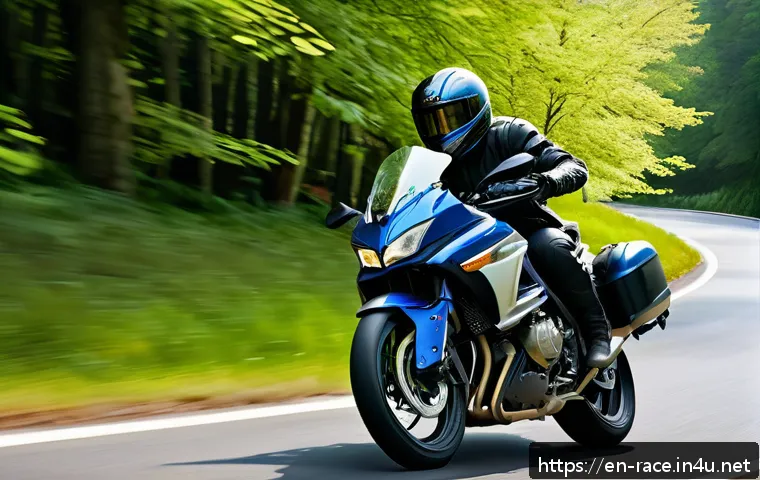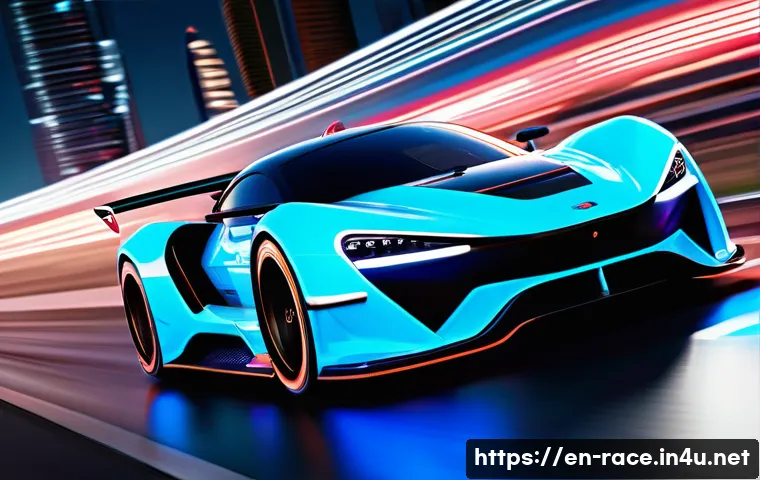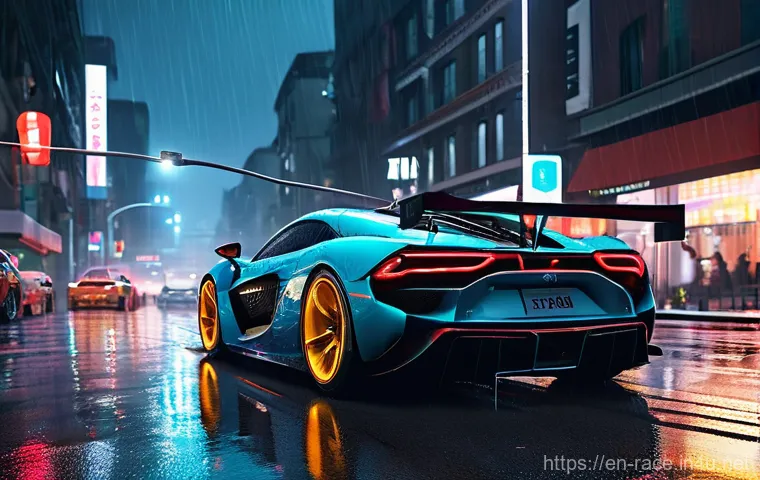
Hey there, speed demons and virtual gearheads! Ever sunk countless hours into a racing game and felt like the world around you was just as thrilling as the race itself?
I know I have! From the gritty, rain-slicked streets of a late-night street racing scene to the sun-drenched, winding coastal roads of a sprawling open-world paradise, the environments we race through are so much more than just backdrops.
They’re characters themselves, often defining the entire vibe and replayability of our favorite titles. Lately, with advancements in graphics, AI, and even VR integration, game developers are truly pushing the boundaries, making these worlds more immersive and alive than ever before.
It’s not just about crossing the finish line anymore; it’s about the journey, the hidden paths, and the unique challenges each expertly crafted setting throws our way.
Trust me, I’ve spent enough time “exploring” off-track to know a truly great world when I see one. So, what makes a virtual racing world truly unforgettable and keeps us coming back for more?
Let’s buckle up and uncover the secrets to incredible racing game world-building below!
The Canvas: Crafting Visually Stunning Vistas
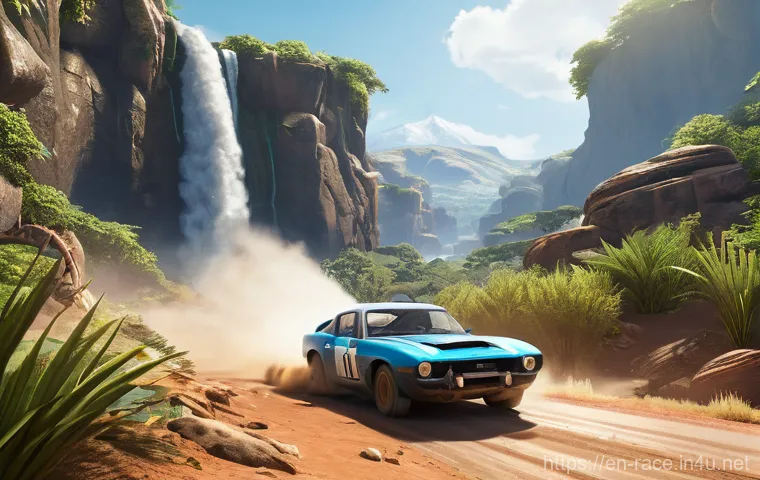
You know, when I first fire up a new racing game, the graphics are often the very first thing that grabs me. It’s not just about raw power, but how that power is used to paint a truly convincing and breathtaking world. Developers are now using mind-blowing technologies like ray tracing to simulate light in real-time, making reflections shimmer off wet roads and shadows dance realistically as the sun dips below the horizon. I still remember the first time I saw Forza Horizon 5’s vibrant landscapes, cruising through dense jungles and past active volcanoes; it was genuinely awe-inspiring, a true feast for the eyes that made me want to explore every inch of that virtual Mexico. It’s that level of detail, from the meticulously rendered car models to the dynamic weather systems, that truly blurs the line between the virtual and the real, drawing you deeper into the experience. This visual fidelity is paramount because it sets the initial hook, convincing your brain that this isn’t just a game, but a place you can actually inhabit and interact with, making every high-speed chase or scenic drive feel incredibly visceral.
Bringing Realism to Life with Next-Gen Graphics
- The leap in graphics quality is undeniable, especially on next-gen consoles and powerful PCs. Titles like Gran Turismo 7 showcase stunning 4K visuals at 60fps, and with ray tracing, every little detail, from the gleam on your car’s fender to the subtle refractions in a puddle, just pops. I find myself pausing mid-race just to admire the scenery, which honestly speaks volumes about the artistry involved. This isn’t just about looking pretty; it’s about creating an atmosphere that resonates.
- The use of photogrammetry and laser scanning has become a game-changer, especially for simulation titles aiming for pinpoint accuracy. Developers can actually scan real-life tracks and environments down to the millimeter, recreating them with an astonishing level of precision in the game. When I’m screaming down a virtual Nürburgring in Assetto Corsa Competizione, I feel every single bump and curve, and knowing that it’s based on real-world data just elevates that sense of immersion to another level entirely.
Beyond the Track: The Thrill of Exploration and Discovery
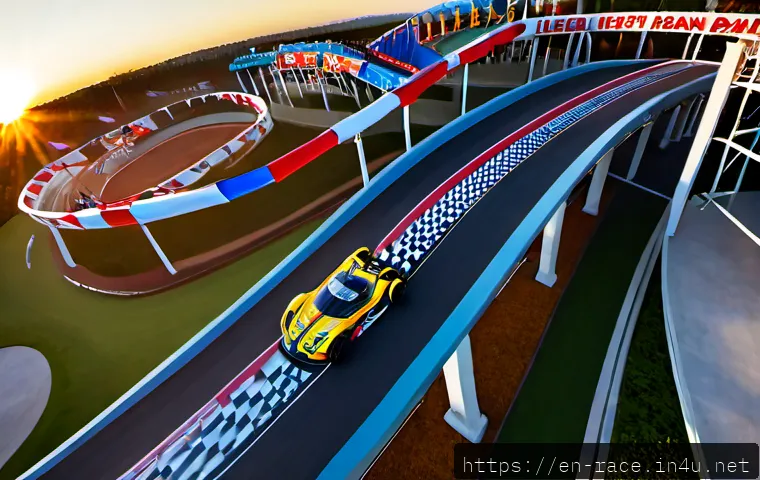
Let’s be real, a truly great racing game world isn’t just a series of interconnected tracks; it’s a playground begging to be explored. For me, the magic of open-world racing games lies in that sense of boundless freedom, the ability to veer off the main road and stumble upon a hidden vista, a challenging stunt jump, or a secret shortcut. I’ve spent countless hours in games like Forza Horizon, just cruising, not even caring about the race objectives, simply soaking in the environment and discovering every nook and cranny. It’s that feeling of endless possibility, of having a vast landscape at your fingertips, that really gets its hooks into you. This freedom to roam cultivates a deeper connection with the game world, transforming it from a mere backdrop into a living, breathing entity that rewards curiosity and encourages players to carve their own unique adventures.
Unveiling Hidden Pathways and Secrets
- Open-world racing has truly redefined the genre, moving away from linear tracks to offer vast cities, winding countryside roads, and diverse terrains. I love that developers are giving us more than just races; they’re giving us worlds to conquer. Finding those little hidden paths or secret jumps always feels incredibly rewarding, like you’ve uncovered a well-kept secret the developers wanted you to find.
- The best open worlds aren’t just big, they’re intelligently designed with points of interest (POIs) that encourage exploration. Whether it’s a picturesque viewpoint, a dilapidated barn hiding a classic car, or a challenging drift zone, these elements provide incentives to step away from competitive racing and simply enjoy the journey. I remember spending an entire afternoon in one game just trying to collect all the scattered bonus boards, and it was surprisingly engaging because it took me to parts of the map I never would have seen otherwise.
Bringing Worlds to Life: Dynamic Elements and Smart AI
What truly makes a virtual world feel alive isn’t just its static beauty, but how it behaves and reacts around you. I’ve always been fascinated by games that incorporate dynamic weather systems, where a sunny afternoon can quickly turn into a torrential downpour, completely changing the driving experience. Suddenly, those familiar corners become treacherous, and your driving lines need to adapt instantly. It adds an incredible layer of challenge and unpredictability that keeps you on your toes. Beyond just the environment, the intelligence of the AI opponents also plays a huge role. I appreciate when AI drivers aren’t just following a rigid script but are actually learning from your behavior and adapting their strategies, making every race feel like a genuine competition, not just a predictable parade. This sense of a living, evolving world is critical for long-term engagement, ensuring that no two play sessions ever feel quite the same.
Weather, Time, and Traffic that React to You
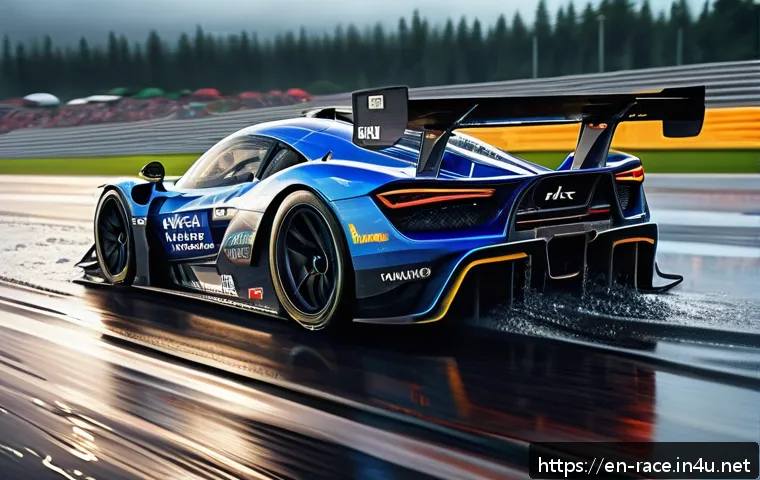
- Dynamic weather and day-night cycles are no longer just graphical flourishes; they’re integral to gameplay. I mean, racing through rain-slicked streets at dusk with headlights cutting through the gloom? That’s pure atmosphere right there! It changes grip, visibility, and even the strategies you employ. It’s a fantastic way to keep the environments fresh and challenging, reminding you that nature itself is a formidable opponent.
- The realism extends to how traffic behaves. In the best games, the AI traffic isn’t just there to fill space; it feels like it’s part of the living, bustling world, sometimes helping to create exciting near-misses and other times becoming an unexpected obstacle that adds to the thrill of the chase. I personally love games where I can toggle traffic density, because sometimes I just want to cruise, and other times I crave that intense, weaving-through-traffic street racing vibe.
The Sound of Speed: Audio Immersion Done Right
Honestly, visuals are only half the story when it comes to immersion. For me, the audio is just as crucial, if not more so, in making me feel truly present in a racing game. The raw, visceral roar of an engine as you redline it, the satisfying *thunk* of a gear shift, the screech of tires fighting for grip on asphalt, or the distinct crunch of gravel under your wheels – these sounds are absolutely fundamental. They communicate vital information about your car’s performance and the environment around you, but more importantly, they stir a primal excitement that visuals alone can’t quite capture. I remember playing a game once where the engine sounds felt flat and generic, and it just pulled me right out of the experience. But when a game gets it right, when you *feel* the bass of the engine rumble through your headphones, it’s pure bliss and completely transforms how you interact with the world and your vehicle. Good audio processing and spatial sound further enhance this, providing directional cues that make you feel like you’re truly in the cockpit, reacting to every external sound cue.
Creating an Acoustic Landscape
- From the distinct whine of a supercar to the throaty burble of a classic muscle car, each vehicle should have a unique acoustic signature. This attention to detail in sound design is what makes switching cars so rewarding; it’s not just a visual change, but a completely different sonic experience.
- Environmental sounds, like the rush of wind as you speed up, the splatter of rain hitting the windshield, or even ambient city noises, all contribute to the overall atmosphere. When these elements are expertly blended, they create a rich audio tapestry that deepens the sense of place and really pulls you into the racing world. It’s that subtle whistle of the wind as you hit top speed, or the distant echo of a horn, that makes the world feel vast and authentic.
Connecting and Competing: The Multiplayer Playground
You know, for all the amazing single-player experiences out there, racing games truly come alive when you’re sharing the road with others. The sheer thrill of going head-to-head with friends, or testing your skills against competitive players from across the globe, is an adrenaline rush that’s hard to beat. I’ve had some of my most memorable gaming moments in multiplayer sessions, whether it was a photo finish that came down to milliseconds or a chaotic, fender-bending battle for first place. Modern racing games have really embraced the online aspect, offering seamless multiplayer integration that transforms the open world into a vibrant social hub. It’s not just about racing; it’s about the camaraderie, the friendly rivalries, and the shared experiences that keep you coming back for more, long after you’ve completed the single-player campaigns. That feeling of real-time competition, adapting to other human drivers’ strategies, is an entirely different beast than racing against AI and provides a much deeper, more unpredictable challenge.
Building Communities and Rivalries
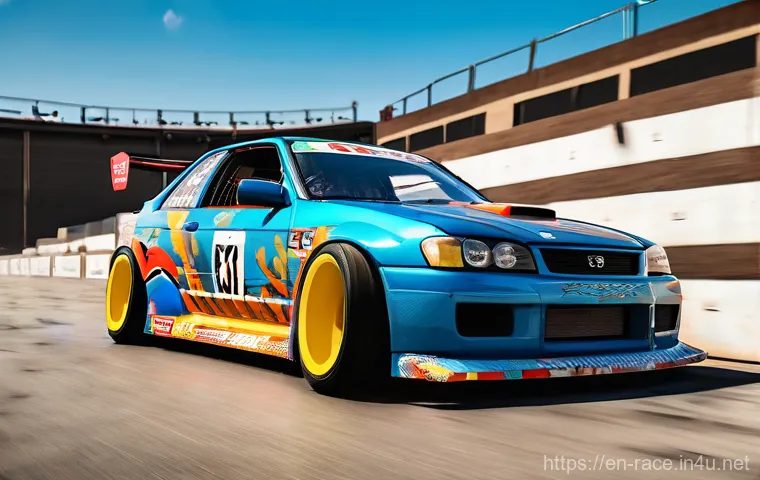
- Online multiplayer modes now allow for everything from casual cruises with friends to structured races, leagues, and even esports championships. This spectrum of options caters to every type of player, from those who just want to chill to the hardcore competitors seeking glory. I’ve personally seen how strong these communities can be, often extending beyond the game itself into forums and social media, sharing tips, custom liveries, and even organizing impromptu meetups within the game.
- The integration of features like leaderboards, shared events, and even cooperative challenges fosters a strong sense of community and competition. It makes you feel like you’re part of something bigger, driving you to hone your skills and constantly improve. There’s nothing quite like finally beating a friend’s best lap time, or working together to complete a challenging objective; those moments are truly golden.
Leaving Our Mark: Customization and Community Creations
One of the things that truly makes a racing game world feel like *yours* is the ability to customize and leave your own personal stamp on it. I absolutely love diving deep into car customization, tinkering with performance upgrades to fine-tune my ride, or spending hours designing the perfect paint job and decals. It’s not just about making your car look cool; it’s about expressing your personality and creating a machine that truly feels like an extension of yourself. And it goes beyond just cars now, with some games even letting players create their own tracks and events within the open world. This level of player freedom and creative expression is incredibly powerful, transforming passive consumers into active creators and contributors. Trust me, there’s a unique satisfaction in showing off a car you’ve painstakingly customized or watching friends race on a track you’ve personally designed. It fosters a sense of ownership and personal investment that makes the game world infinitely more engaging and replayable.
Unleashing Creativity in the Open World
- Modern racing games often boast deep customization options, letting you personalize every aspect of your vehicle, from engine swaps to body kits and intricate liveries. I’ve spent an embarrassing amount of time in virtual garages, but it’s always worth it when I roll out a car that’s uniquely mine, both in looks and performance. It’s truly an artistic outlet within the game.
- The trend of “sandbox” racers, where players can build their own ramps, loops, jumps, and even entire track layouts, is revolutionary. Imagine dropping a loop right into the middle of the city or stitching ramps across a canyon! It gives players unparalleled control and ensures that there’s always something new and outrageous to experience, often created by fellow enthusiasts.
The Secret Sauce: Blending Realism with Pure Fun
At the end of the day, what really keeps me coming back to a racing game isn’t just hyper-realistic graphics or intricate physics, though those are definitely appreciated. It’s that delicate balance between gritty realism and pure, unadulterated fun. Some of the most beloved racing games manage to strike this perfect chord, offering enough authenticity to feel substantial, but also injecting a healthy dose of arcade-style excitement that keeps things thrilling and accessible. I’ve played my fair share of ultra-hardcore simulators, and while they’re amazing in their own right, sometimes you just want to grab a controller and tear through a vibrant open world without needing a master’s degree in automotive engineering. The best worlds understand this; they provide the tools for a deep, realistic experience if you want it, but also offer plenty of opportunities for casual enjoyment and spectacular, over-the-top moments. It’s this thoughtful blend that ensures a wider audience can appreciate and enjoy the meticulously crafted environments, making the entire package far more appealing and replayable for me.
Finding the Perfect Equilibrium
This balance often comes down to clever game design that accommodates different playstyles. Whether you prefer a simulation where every gear shift matters or an arcade racer where spectacular crashes are part of the fun, the game world should cater to you.
| World-Building Element | Impact on Immersion & Engagement | Key Games Excelling Here |
|---|---|---|
| Visual Fidelity | Realistic graphics, ray tracing, and detailed environments create a believable and captivating world, enhancing the sense of presence. | Forza Horizon 5, Gran Turismo 7, Assetto Corsa Competizione |
| Dynamic Systems | Changing weather, day-night cycles, and AI traffic add unpredictability and challenge, making each session feel unique and alive. | Forza Horizon Series, F1 24, Dirt 5 |
| Sound Design | Authentic engine noises, tire screeches, and environmental audio cues provide crucial feedback and heighten the visceral thrill of racing. | Assetto Corsa, Gran Turismo 7, Need for Speed Unbound |
| Exploration & Discovery | Vast open worlds with hidden secrets, challenges, and diverse terrains reward curiosity and encourage players to carve their own paths. | Forza Horizon Series, The Crew Motorfest, Test Drive Unlimited Solar Crown |
| Customization & Creation | Tools to personalize vehicles and even build tracks empower players, fostering a sense of ownership and endless replayability. | Wreckreation, Need for Speed Unbound, Forza Motorsport |
Open-World vs. Track-Based Philosophies
- Many open-world games like the Forza Horizon series, Need for Speed, and The Crew combine realistic physics with sandbox environments, allowing players to not only race but also interact deeply with their surroundings. This fusion creates a dynamic experience that I personally find incredibly engaging. It’s the difference between a meticulously curated art gallery and a sprawling, interactive museum; both have their merits, but one offers far more freedom to explore and touch everything.
- Even hardcore simulators like iRacing or Assetto Corsa Competizione, while focused on track realism, still benefit immensely from highly detailed environments that bring those tracks to life. The trees, the grandstands, the distant landscapes – they all contribute to the feeling that you’re racing in a real place, not just on a sterile strip of tarmac. It’s that comprehensive attention to the entire package that truly elevates a game from good to unforgettable, keeping us revving our virtual engines for years to come.
Wrapping Up
And there you have it, fellow enthusiasts! It’s clear that the magic of racing games extends far beyond just the finish line. What truly etches these experiences into our memories are the meticulously crafted worlds we get to blast through, explore, and leave our tire marks all over. From the jaw-dropping visuals that transport us to exotic locales to the immersive soundscapes that make our engines roar to life, every element plays a crucial role in creating that unforgettable sense of speed and adventure. I’ve personally found that the games that master this delicate art of world-building are the ones I keep coming back to, year after year, because they offer so much more than just a race – they offer a whole universe to get lost in. So, next time you’re tearing down a virtual track, take a moment to appreciate the incredible artistry and engineering that went into building that very world around you!
Useful Tips You Might Not Know
1. Don’t rush into the main objectives right away! I always advise my friends to spend at least an hour or two just driving around in a new open-world racing game. You’d be amazed at the hidden gems, breathtaking vistas, and unexpected challenges you’ll uncover when you’re simply cruising without a specific goal. It’s like finding money in an old jacket – a delightful surprise that truly enhances the overall experience and makes you feel more connected to the virtual landscape. Plus, it’s a fantastic way to get a feel for the car handling in different environments before the pressure of a race kicks in, which can save you a lot of frustration later on.
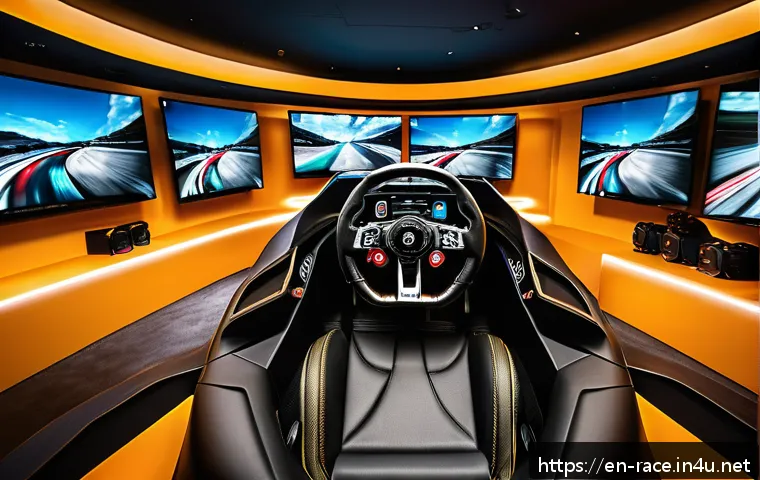
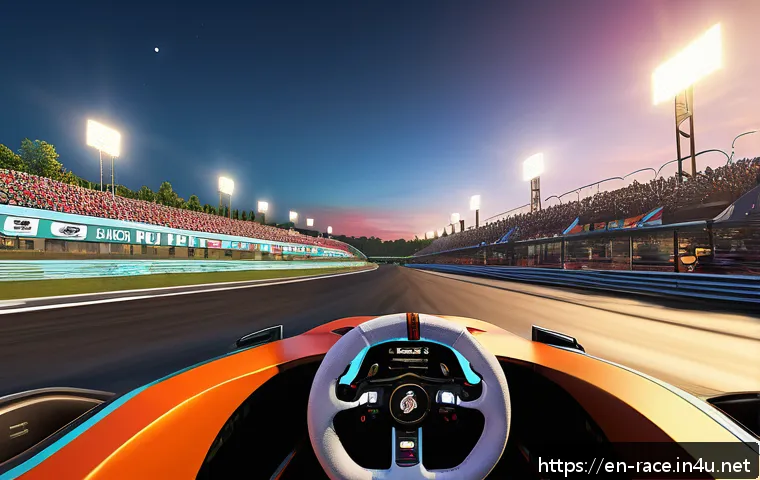
2. Experiment with different camera angles, especially for immersion. While many racers prefer a third-person view for better awareness, switching to a cockpit or hood view can drastically change how you perceive the world. I’ve found that it makes the sense of speed feel much more intense and really draws you into the details of the car’s interior and the immediate surroundings. It’s a little trick that makes you feel like you’re truly *inside* the vehicle, enhancing the thrill and the perceived realism of the world rushing past you. Give it a try on your next scenic drive or hot lap!
3. Pay attention to the environmental sound design! It’s easy to get caught up in the engine noise, but a well-designed racing game uses subtle audio cues from the environment to enrich your experience. Listen for the distinct sound of your tires on gravel versus asphalt, the distant hum of city life, or the echo of your engine bouncing off canyon walls. These auditory details are purposefully placed to make the world feel more alive and responsive to your presence. Tuning into these details can elevate your immersion significantly, making the world feel richer and more dynamic than just what you see.
4. Dive into the community’s custom creations. Many modern racing games offer robust livery editors and even track builders. Don’t just stick to the default options! Exploring player-created designs can open up a whole new world of aesthetic inspiration for your vehicles, and racing on community-designed tracks offers endless fresh challenges and creative layouts that developers might not have even considered. It’s a fantastic way to extend the game’s lifespan and discover incredible artistic talent within the player base. I’ve spent countless hours just browsing unique liveries and found some truly mind-blowing designs that make my cars stand out.
5. Adjust your force feedback or controller vibration settings. This often-overlooked aspect can profoundly impact your connection to the virtual world. When calibrated correctly, force feedback on a wheel or vibration on a gamepad can simulate everything from road imperfections to tire grip loss, effectively communicating the car’s behavior and the road surface beneath you. It’s an extra layer of tactile information that makes the world feel more physical and reactive, pulling you deeper into the driving experience. I always tweak these settings until they feel just right, as it makes a huge difference in how much I *feel* the road.
Key Takeaways
Ultimately, what sets truly memorable racing games apart is their dedication to creating compelling, immersive worlds that resonate with players on multiple levels. It’s a masterful blend of cutting-edge visual fidelity, including technologies like ray tracing and photogrammetry, that paints a breathtaking backdrop for our high-speed adventures. But it doesn’t stop there; dynamic systems such as ever-changing weather and smart AI traffic inject unpredictability and life into these environments, ensuring that no two drives are ever quite the same. The auditory experience, with its authentic engine roars and nuanced environmental sounds, is just as crucial, providing vital feedback and stirring deep emotional responses. Crucially, the best racing worlds encourage boundless exploration and offer deep customization options, empowering us to leave our personal mark and truly make these virtual spaces our own. This holistic approach to world-building, blending realism with pure, unadulterated fun, is the secret sauce that keeps us revving our virtual engines and returning to these incredible digital playgrounds time and time again, creating countless unforgettable moments behind the wheel.
Frequently Asked Questions (FAQ) 📖
Q: What’s the secret sauce behind creating those jaw-dropping, immersive worlds that make us feel like we’re actually in the driver’s seat?
A: Oh, this is such a fantastic question, and one I’ve pondered myself countless times while “getting lost” in a game world! From my experience, it’s a brilliant blend of cutting-edge technology and artistic finesse.
First off, modern racing games leverage incredibly high-definition graphics with realistic lighting effects, making every car and track look stunningly lifelike.
I’ve seen games where the rain glistens on the asphalt and the sun glares just right, and it absolutely pulls you in. But it’s not just about the visuals.
The sound design is crucial too; hearing the roar of your engine, the screech of tires, and even the subtle environmental cues just completes the illusion.
Then there’s the tactile feedback – if you’ve ever used a force feedback steering wheel, you know what I’m talking about! Feeling every bump, every curve, every little slip and slide through your hands makes a colossal difference.
It’s that physical connection that makes you believe you’re truly gripping the wheel of a beast. Developers also throw in dynamic weather systems and environmental effects that aren’t just pretty, they actually impact your driving and force you to adapt on the fly.
I remember one race where a sudden downpour turned a simple turn into a treacherous challenge, and it was exhilarating! It’s all these meticulously crafted details, from the visuals to the physics, working in harmony that truly transforms a game into an unforgettable, immersive experience.
Q: Beyond just looking stunning, what makes a racing game world truly memorable and keeps us coming back for more, race after race?
A: This is where a game truly becomes legendary, isn’t it? I’ve played my fair share of racing games, and the ones that stick with me aren’t just about the finish line.
What really makes a world memorable is its ability to offer endless discovery and varied challenges. Think about open-world racers like the Forza Horizon series or even older classics like Burnout Paradise.
They don’t just give you a track; they give you a playground. A vast, limitless map with diverse landscapes – from bustling cityscapes to winding coastal roads and dense forests – provides a sense of freedom and encourages exploration.
I’ve spent hours just cruising, finding hidden paths, and stumbling upon unexpected events. It’s that feeling of having “too much to do” in a good way.
Variety in activities is key, too. It’s not just about circuit races; it’s about drift zones, speed traps, stunt challenges, and unique missions that break up the monotony.
And let’s not forget character! Games that infuse their worlds with distinct sections and landmarks, like the iconic casino area in NFS Underground 2, create a sense of place that makes navigating them a memorable experience in itself.
When a world feels alive, with its own secrets and personality, you just can’t help but return for another spin.
Q: With all the rapid advancements in gaming tech, what kind of exciting innovations and trends can we expect in racing game world design in the near future?
A: Oh, the future of racing game worlds is something I get super hyped about! We’re already seeing some incredible stuff, and it’s only going to get better.
From what I’ve been seeing and experiencing, Virtual Reality (VR) and Augmented Reality (AR) are poised to revolutionize immersion even further. Imagine being truly “in” the cockpit, with 360-degree views and your real room blending with the virtual track through AR – it’s going to be wild!
The sense of presence and the sheer thrill will be unmatched. Beyond that, I anticipate much more sophisticated AI opponents that can adapt to your driving style, providing a truly dynamic and challenging experience that feels more like racing against actual humans rather than predictable patterns.
Also, I’m really keen on advancements in physics engines, leading to even more realistic vehicle behavior and interaction with detailed environments, down to tire and surface simulations.
Dynamic, evolving worlds that change not just with weather but perhaps even with player actions or community events could add another layer of replayability.
We’re talking about worlds that don’t just look real, but feel real and react in ways that keep us on the edge of our seats, constantly discovering new ways to push the limits.
It’s going to be a thrilling ride, that’s for sure!